 Durability often suggests mass, density, and resistance that comes at the cost of added weight. In regulated environments such as healthcare, this trade off rarely works.
You require materials that endure pressure, movement, and time, without increasing strain on structures or equipment. Plastic profiles offer that balance. Used with intent, they support strength, hygiene, and performance while keeping systems light, efficient, and compliant.
Plastic Profiles and The Science of Lightweight Strength
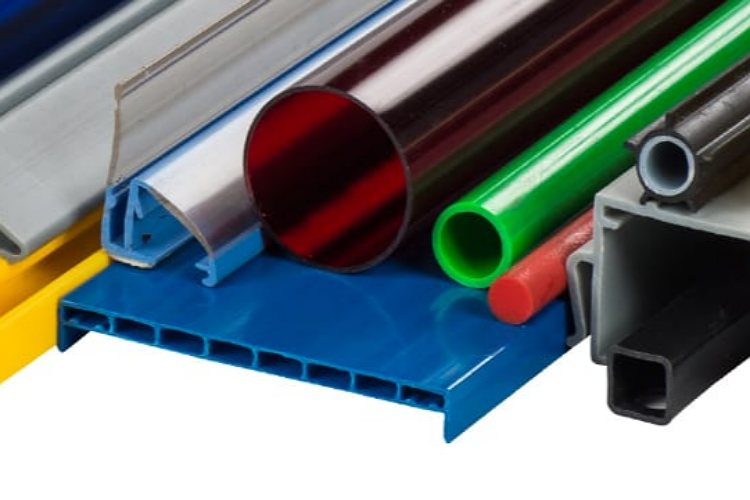
Plastic profiles perform well because strength comes from structure, not bulk. Their geometry distributes stress evenly, reducing weak points that cause fatigue.
You benefit from plastic profiles engineered to withstand repeated use, cleaning cycles, and temperature variation. This makes them suitable for demanding medical and clinical settings.
- Internal chambers improve rigidity without increasing material volume
- Smooth surfaces reduce friction and wear during continuous operation
- Controlled wall thickness supports load bearing without unnecessary mass
Each design choice contributes to long term stability while keeping components manageable and precise.
Polymer Profiles Supporting Long Term Performance
Polymer profiles excel where materials face moisture, chemicals, and regular handling. Unlike metals, polymers resist corrosion and do not degrade through oxidation.
You gain predictable performance across years of use, even in sensitive environments. Polymer profiles also support consistency, which matters in healthcare operations.
They allow repeated sterilisation without warping or surface breakdown. Their flexibility absorbs impact, reducing fracture risks during handling or transport. This balance protects both equipment and users over time.
PVC Profiles Meeting Hygiene and Structural Needs
PVC profiles address durability alongside hygiene requirements. Their closed surfaces prevent microbial retention, supporting infection control standards.
You also benefit from their dimensional stability. PVC profiles retain shape under pressure and temperature changes common in clinical facilities.
Weight reduction improves installation safety and reduces load on supporting frameworks. This proves valuable in modular healthcare designs, where adaptability and reliability matter equally.
Conclusion
You do not need heavier materials to achieve lasting durability. Through considered design, plastic profiles deliver strength, hygiene, and resilience without excess weight. This balance supports safer handling, longer service life, and dependable performance in environments where precision always matters.