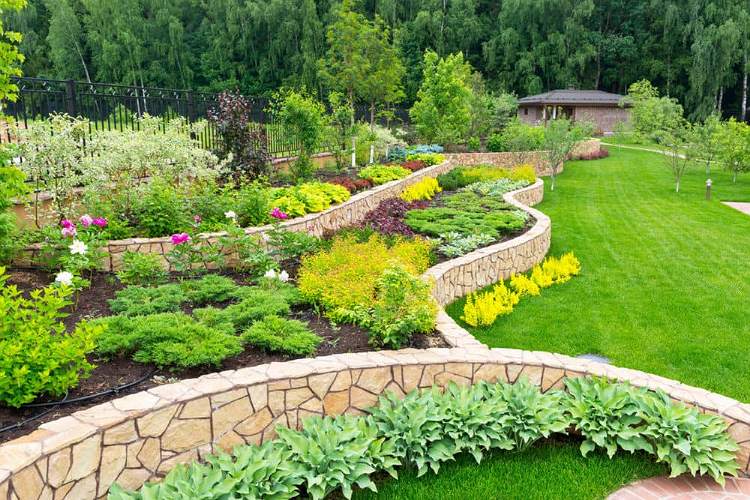
 Gardens don’t need to be flat to feel peaceful. In fact, it’s the variations—a rise here, a drop there—that often bring life to an outdoor space.
Multi-level designs give gardens dimension, purpose, and a sense of story that unfolds with every step.
Look, Listen, Then Begin
Every successful garden design begins with a moment of quiet observation.
Before moving a single stone, take time to walk the space. How does the light move across the surface throughout the day? Where does water gather after rainfall? Which corners feel welcoming, and which retreat into shadow?
Sketch a rough map noting trees, fences, and any natural slopes. Then ask yourself what you truly want, whether it’s a sunny breakfast terrace, a child’s play space, or a tranquil reading nook.
These answers shape not just how your garden looks, but how it feels to live with.
At the same time, do check local planning rules. Some alterations, especially those that change elevation or boundary visibility, may require approval.
Consider speaking with neighbours too if you’re planning something substantial, as it helps avoid future disputes and fosters goodwill.
Divide and Delight with Varying Levels
Multi-level landscaping isn’t just about creating steps or walls. It’s about guiding the eye and the foot on a journey through space and purpose.
A raised terrace can lift a dining area out of the damp, while a sunken lawn gives a subtle sense of privacy. The real joy lies in how these changes in height invite different experiences.
One level can host an evening firepit circle, another a shaded patch of lawn for summer picnics. Between them, a gentle slope planted with aromatic herbs or silver-leaved ground cover softens transitions and delights the senses.
In addition, thoughtful use of elevation helps manage tricky plots, especially those that incline naturally or suffer from poor drainage.
Where space permits, incorporating a low retaining wall that doubles as seating can make even narrow tiers feel functional and welcoming.
Raised beds can also be used to create visual interest while keeping planting accessible, particularly for those who find kneeling difficult.
Split-level paths, if subtly curved, encourage exploration and can help break up a long or narrow garden into more intimate zones.
Even small changes in height, a single step or slightly sunken patio, can shift perspective and draw attention to key features like water elements or sculpture.
Select Materials That Set the Tone
The materials chosen for a multi-level garden do more than serve a structural purpose. They tell a story about style, intent, and the rhythm of the landscape.
Stone, timeless and textured, creates a grounding sense of permanence. It suits formal gardens and rustic retreats alike, though its weight may call for specialist installation.
Timber, by contrast, feels warm and homely, ideal for raised beds or decked seating areas, though it does ask for regular upkeep.
Furthermore, concrete brings a clean, modern edge, especially in geometric steps or smooth retaining walls.
And increasingly, designers are turning to eco-conscious materials, such as recycled sleepers, permeable paving, or reclaimed bricks, which add soul as well as sustainability.
So balance your palette as you would indoors, thinking in tones and textures. A layered garden should feel cohesive, not cluttered.
Try blending hard surfaces with natural elements like bark chippings, gravel paths, or low-growing foliage that creeps gently into corners, softening the overall effect.
These thoughtful combinations create the kind of finish you’d expect in a professional landscape, without sacrificing the personal charm of a home garden.
Plan Drainage as You Would Plumbing
It’s tempting to focus on the visual flair of multi-level landscaping, but without proper drainage, even the prettiest design will suffer.
Rainwater needs somewhere to go, and that path should be deliberate. French drains, gravel-filled trenches with perforated piping, discreetly guide excess moisture away from sensitive areas.
Gravel beds beneath paving, swales between levels, and permeable surfaces all help keep things in check.
Plants, too, play a role. Sedum mats or drought-tolerant ground covers soak up water on sloped banks. And by understanding how water moves across each tier, you prevent pooling, erosion, or root rot.
This is one area where an expert’s advice often proves invaluable. A subtle tweak in gradient or choice of substrate can save years of maintenance headaches.
Additionally, think about adding a rain garden or water butt to sustainably use extra water, transforming a problem into a resource.
Let Each Level Tell Its Own Story
Every terrace, step, or slope offers a chance to define a mood. Rather than duplicating features across all levels, treat each as a distinct room with its own character.
A top-level patio might house a dining table under festoon lights. Below, a curved bench nestled among fragrant shrubs offers solitude. Further down, a meadow-like patch edged by low sleepers becomes a space for children or pets.
Connect the levels with pathways that feel inviting rather than perfunctory. Use curves wherever possible by planting to soften edges and create smoother transitions.
Lights embedded in steps, ornamental railings, or sculptural elements tucked into corners bring personality without fuss.
Importantly, ensure accessibility for all. Wider steps, shallow gradients, and textured surfaces aid those with limited mobility, making the garden a pleasure for everyone. A handrail integrated into planting borders, for example, can be both practical and discreet.
Build Beauty into Your Budget
Designing with layers doesn’t mean costs must spiral. With some savvy choices, a multi-level garden can feel luxurious without being lavish.
Start by setting a clear budget and identifying priorities. Stone terraces can be the focal point, while paths or planters can be more subdued. Mixing materials, such as timber steps with gravel landings, keeps things balanced.
Some jobs, like planting or building a small bench, suit enthusiastic DIYers. Others, such as laying foundations or managing drainage, are best left to skilled hands.
Getting those elements right the first time saves both money and frustration later.
Meanwhile, explore local suppliers or reclamation yards. Not only can you find characterful materials, but you’ll often support nearby businesses in the process.
In some cases, local tradespeople can also offer off-season rates, helping you stretch your budget a little further.
Plan for Seasons, Not Just for Spring
A multi-level garden, like any landscape, evolves with the year. So it’s worth thinking ahead to how each level will perform through sun, snow, and storm.
Choose plants that shine in each season. Plant late-summer grasses for upper beds, winter-hardy evergreens for structure, and spring bulbs at the base of slopes to greet the new year.
Similarly, paths should be grippy in frost and clear of puddles during downpours.
Maintenance is lighter if planned well. Native species generally require less intervention. Mulching in autumn protects roots and keeps weeds at bay.
And simple seasonal tasks, such as sweeping steps, pruning vines, and checking for pooled water, become habits rather than chores.
With time, a well-planned garden almost tends itself, offering beauty with minimal fuss. You can also consider using solar lighting with dusk sensors to add a year-round glow while keeping energy costs low.
Conclusion
The best gardens don’t just sit pretty; they invite you in, guide your steps, and change with the seasons.
A layered landscape offers not only beauty but also rhythm and intention, quietly enriching how you live outdoors. Let it grow with you, gently revealing more each year.