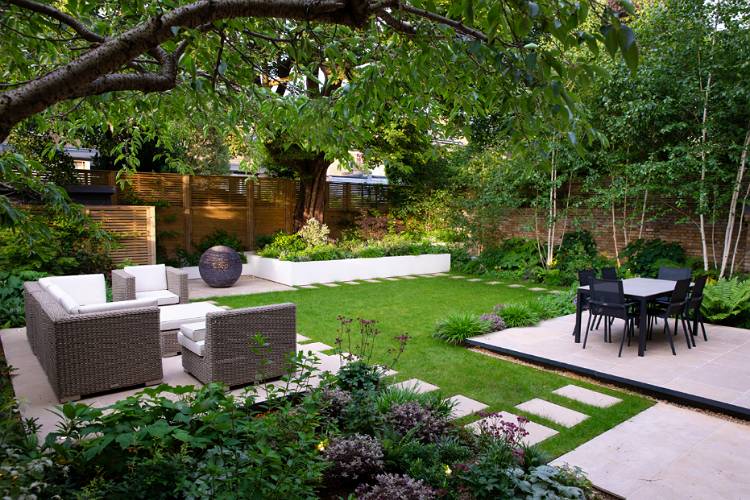
 Back in the day, pristine lawns and high-maintenance flowerbeds were the gold standard, from compact urban plots in London to sprawling rural patches in the Cotswolds.
Now, homeowners are embracing a smarter, gentler approach: low-maintenance eco gardens that are fully in tune with nature. Between hosepipe bans, rising water bills, and busier lifestyles, the idea of a garden that mostly looks after itself just makes sense.
Here’s everything you need to know about eco gardens, and why they are more resilient, more wildlife-friendly, and much easier to manage.
What Makes an Eco Garden Truly Low-Maintenance?
A low-maintenance eco garden isn’t just a garden with gravel instead of grass. It’s built around three smart principles: the right plant, the right place, and a healthy soil.
Native and climate-adapted plants sit at the heart of it. These are the species that already understand British weather — the surprise April frost, the soggy November soil, and the random summer heatwave.
Because they’re suited to local conditions, they need less watering, fewer feeds, and minimal care from you.
Water-wise planting is another key part. Plants like lavender, rosemary, sedum, ornamental grasses, and hardy geraniums cope brilliantly with dry spells once established.
Instead of constantly reaching for the watering can, wouldn’t it be great if rainfall did most of the work? Adding a water butt from B&Q or Wickes to collect rain from your roof keeps things even more sustainable.
Then there’s natural garden design inspired by permaculture. That simply means arranging plants so they support each other.
Ground covers shade the soil and reduce weeds. Deep-rooted plants improve soil structure. Flowering herbs attract pollinators that also help control pests. The result is a garden ecosystem that runs with less interference from you.
Native Plants Minimise Your Workload
When you fill your garden with native plants, you’re essentially hiring a team that already knows the job.
Species such as foxgloves, field scabious, red campion, and native heathers are adapted to UK soils and rainfall patterns, so they rarely struggle the way exotic plants can.
Their roots often grow deeper and stronger, which improves soil structure and helps the ground hold onto moisture for longer. That means less watering for you and better drought resilience during hotter summers.
Many native plants are also naturally resistant to local pests and diseases, reducing the need for treatments.
Just as importantly, they support wildlife. Bees, butterflies, and other pollinators have evolved alongside these plants. When your garden provides food and shelter for them, they repay you by keeping your garden ecosystem balanced.
You end up with fewer pest explosions and a space that feels alive rather than decorative.
Designing for Less Work and More Enjoyment
Layout plays a huge role in how much effort your garden needs. For instance, if you place plants according to sun and shade patterns, you avoid constant struggling and replacements.
South-facing sunny spots are perfect for Mediterranean-style herbs such as thyme, sage, and rosemary, along with lavender and ornamental grasses. Shadier areas can host ferns, hostas, hellebores, and shade-tolerant ground covers that suppress weeds naturally.
Grouping plants with similar water needs together is a small design decision that makes a big difference. Instead of watering the whole garden, you only focus on areas that truly need it.
Layering plants by height also helps. Taller plants shelter smaller ones and reduce wind stress, while dense planting leaves less room for weeds to move in.
Paths and seating areas matter too. Gravel, reclaimed brick, and permeable paving reduce muddy patches and mowing areas while allowing rain to soak into the ground.
Finally, a well-placed patio or bench turns the garden into a space you can actually use, not just maintain.
Build a Healthy Soil Once and Enjoy Easy Care Forever
If there’s one thing that transforms a high-effort garden into a low-effort one, it’s soil health. When your soil is rich in organic matter, it holds moisture better, drains well, and feeds plants steadily.
Composting is one of the simplest ways to achieve this. Kitchen peelings, grass clippings, fallen leaves, and shredded cardboard break down into nutrient-rich compost that improves soil structure naturally.
Mulching with bark chips or leaf mould helps keep moisture in the ground and stops weeds from taking over.
As the soil improves, plants grow stronger roots and become more resilient to weather swings. You will water less, feed less, and replace fewer struggling plants. The work you put into the soil early on pays you back season after season.
Choose Plants That Thrive with Almost No Help
The easiest gardens are filled with plants that want to be there. Lavender adds colour and fragrance while coping with dry soil. Sedum thrives in poor ground and provides late nectar for pollinators. Hardy geraniums spread gently to cover the soil and suppress weeds.
Ornamental grasses such as Stipa and Festuca add movement and structure with barely any maintenance beyond a yearly trim.
You can also plant a few ferns and hellebores to brighten shady corners. Rosemary is another brilliant herb that offers both greenery and something useful for your kitchen.
These kinds of plants don’t demand regular feeding schedules or daily watering. Once established, they settle into a rhythm with the seasons. They will give your garden structure and interest with far less input from you.
Wildlife Can Handle the Maintenance for You
An eco garden becomes even lower maintenance when wildlife lends a hand. Birds feed on insects. Frogs and hedgehogs help control slugs. Pollinators improve flowering and fruiting.
Simple additions make a big difference. A shallow water source, dense shrubs for shelter, and plants that flower from early spring to late autumn are clear invitations for wildlife.
Similarly, leaving a small pile of logs or leaf litter in a quiet corner creates a habitat without affecting the overall look of your garden.
Instead of fighting nature with chemicals and constant intervention, you can trust natural systems to keep things balanced and under control.
If you’re just starting or want to take your garden to the next level without all the trial and error, professional gardening services can be a real help.
From designing eco-friendly layouts to planting drought-resistant species or setting up composting and mulching systems, skilled gardeners can make the process quicker and easier.
Many UK-based services also offer seasonal maintenance packages, so your low-maintenance eco garden stays thriving all year round without you lifting a finger.
Conclusion
The rise of low-maintenance eco gardens marks a hopeful turning point.
As more of us make this transition, the collective impact is already visible. You will see it in healthier soils, thriving pollinators, reduced water waste, and a growing network of green oases up and down the country.
The future of UK gardening looks greener, easier, and far more alive—and it starts right outside your door.