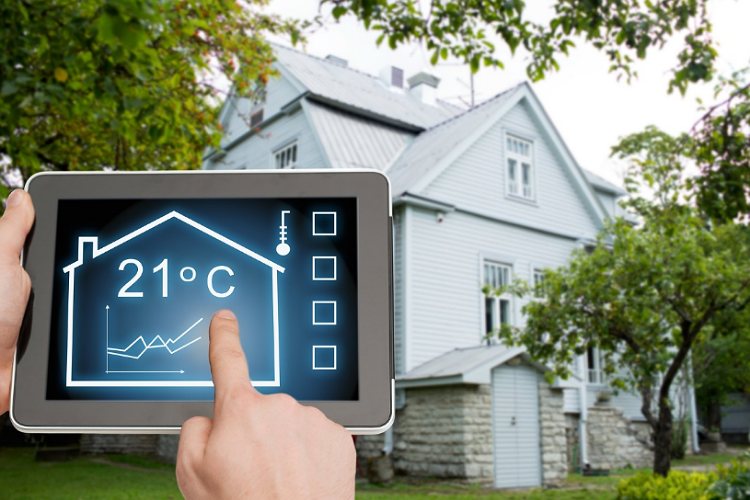
 As technology advances, an increasing number of homeowners are looking to integrate smart home systems into their residences for convenience, security, and energy efficiency. However, older homes may present unique challenges when transitioning to modern smart technology. This extensive guide will explore actionable strategies for preparing an older home for smart home systems, ensuring a seamless upgrade while making the process accessible and understandable.
Understanding Smart Home Technology
What Is a Smart Home?
Before diving into the preparatory steps, let’s clarify what smart home technology entails. Smart home systems utilize internet connectivity to control various devices within the home. These can include:
- Smart Lighting: Control your lights remotely through apps or voice commands.
- Smart Thermostats: Optimize energy usage by learning your daily habits.
- Smart Security Systems: Enhance safety with remote monitoring, alerts, and real-time streaming.
- Smart Appliances: Devices like refrigerators, ovens, and even washing machines that can be monitored and controlled remotely.
Integrating these technologies can significantly improve your quality of life, making daily routines more convenient and environmentally friendly.
Assessing Your Older Home
1. Evaluate the Home’s Infrastructure
Older homes often come with outdated wiring, plumbing, and other infrastructure that may hinder the installation of smart technologies. Begin by assessing:
Electrical System
Ensure that your home’s electrical panel can handle the additional load from smart devices. Many older homes have outdated electrical systems that may not support modern technology. Consult a licensed electrician to inspect your panel and recommend any necessary upgrades.
Internet Connectivity
A reliable, fast internet connection is crucial for smart home systems. Assess your current internet service and consider upgrading if necessary. Installing a mesh Wi-Fi network can eliminate dead zones and ensure that all devices perform optimally throughout the house.
2. Identify Areas for Improvement
Once you’ve evaluated your home’s infrastructure, identify specific areas that could benefit from smart technology. Common examples include:
- Whole-House Lighting Solutions: Upgrading to smart bulbs in key areas, such as the living room and kitchen, can enhance both ambiance and efficiency.
- Heating and Cooling: Consider installing a smart thermostat to regulate heating and cooling efficiently, ensuring that your home remains comfortable year-round.
- Security Enhancements: Evaluate your current security measures. Upgrading to a smart security system—complete with cameras, motion detectors, and smart locks—can significantly improve your peace of mind.
Preparing for Installation
After evaluating your home and identifying areas for improvement, it’s time to prepare for installation.
3. Consulting Local Professionals
Engaging with local professionals is crucial. For example, local roof cleaning professionals play a vital role in maintaining your home’s integrity. Clean roofs can prevent water damage affecting electrical systems or smart devices. Ensuring your roof and exterior are in good condition will support additional installations like outdoor cameras or smart lighting.
4. Upgrading the Electrical System
If your electrical panel is outdated, consult an electrician. Upgrading your electrical system not only ensures safety but also allows for the seamless operation of various smart devices. A licensed electrician can help assess your system and recommend necessary upgrades, such as:
- Circuit Breaker Updates: To accommodate more devices effectively.
- Re-wiring: If the existing wiring is insufficient or unsafe.
5. Installing Strong Wi-Fi Connectivity
Mesh Networks
Investing in a strong router or a mesh Wi-Fi system is essential to eliminate dead zones within your home. Many smart devices require a stable internet connection to function effectively. Installing a mesh network allows multiple access points throughout your home, ensuring a robust signal. Regular speed tests can help monitor the performance of your internet connection.
Selecting Smart Devices
With your home prepared, it’s time to choose the right smart devices for your needs.
6. Smart Lighting
Consider starting with smart bulbs that can be controlled remotely via smartphone apps. These are easy to install and help save energy by scheduling lights or turning them off when not needed. Popular options include:
- Philips Hue: Known for its brightness and compatibility with various smart home ecosystems.
- LIFX: Offers colorful bulbs that don’t require a hub.
7. Smart Thermostats
Invest in a smart thermostat to help reduce energy bills. These devices learn your patterns, adjusting temperatures accordingly. Top choices include:
- Nest Learning Thermostat: Offers easy installation and energy-saving features.
- Ecobee SmartThermostat: Comes with room sensors to ensure comfort throughout your home.
8. Smart Security Systems
Upgrade your home’s security with smart cameras, doorbell cameras, and smart locks. These devices can be integrated to send alerts to your phone and allow you to monitor your home from anywhere. Notable systems include:
- Ring: Known for its doorbell cameras that provide real-time alerts.
- Arlo: Offers high-definition indoor and outdoor cameras with advanced features.
Installation and Setup
9. DIY vs. Professional Installation
Some smart devices are user-friendly and can be installed without professional help. However, for more complex installations—especially those related to electrical systems—enlisting the help of professionals is advisable. Companies often offer setup services that ensure everything is connected properly.
10. Testing and Troubleshooting
After installation, it’s essential to test each device to ensure it operates as expected. Familiarize yourself with the app functions and settings. Troubleshoot any potential issues, such as connectivity problems or software updates, which are necessary for optimal performance.
Maintenance and Upkeep
11. Regular Maintenance
Maintaining both your smart devices and the overall condition of your home is essential for long-term success. Regularly update your devices’ software to ensure security and performance. Create a maintenance schedule that includes:
- Device Firmware Updates: Check for updates monthly.
- Wi-Fi Network Tests: Ensure your internet speed meets the requirements for your devices.
12. Engage Local Roof Cleaning Professionals
To maintain the integrity of your roof, regularly consult with local roof cleaning professionals. Neglecting roof maintenance can lead to debris buildup that affects smart devices or causes water damage.
Regular cleaning can also extend the life of your roof, preventing costly repairs down the line.
The Benefits of Smart Home Technology
Transitioning to smart home technology offers numerous advantages:
1. Enhanced Convenience
With smart home systems, you can control lighting, temperature, and security systems—all from a single app. Imagine adjusting your home’s climate from your phone on your way home from work!
2. Improved Energy Efficiency
Smart technology helps reduce utility bills by monitoring usage and suggesting energy-saving practices. For example, smart thermostats can learn when you’re home or away, adjusting settings to save energy during unoccupied periods.
3. Increased Security
Protect your home with advanced security systems that allow you to monitor and control access remotely. Many systems provide real-time alerts and recording capabilities, offering a greater sense of safety.
4. Increased Property Value
Implementing smart home technology can significantly increase the value of your property. As more buyers seek these advancements, having a modern, smart-equipped home sets your property apart in the market.
Conclusion
Preparing an older home for modern smart home systems may seem daunting, but with the right approach and a bit of planning, it can be a rewarding transformation. By thoroughly evaluating your home’s infrastructure, consulting local professionals, and carefully selecting appropriate devices, you can successfully enhance your living experience.
Furthermore, don’t underestimate the importance of ongoing maintenance. Keeping your home in top shape, including regular consultations with local roof cleaning professionals to maintain your roof’s integrity, will ensure the longevity and performance of your smart home systems.
Embrace modern technology to live smarter, safer, and more efficiently in your home today!