 A shower emergency can turn a normal morning into a stressful situation. Leaks, temperature changes, or pressure loss can occur without prior warning. These issues require immediate response. Knowing how to act in the first few minutes can help prevent further issues, ensure safety, and provide time before a proper solution can be implemented. The following five tips will provide useful information for homeowners on how to act during a shower emergency.
Make Safe Water Temperature Adjustments
One of the most dangerous problems associated with the shower is the sudden temperature fluctuation, particularly when the water suddenly becomes too hot. A first step in resolving such problems is to reduce the temperature on the control or thermostat mechanism to a moderate level. If the problem is not resolved, it is necessary to reduce the temperature on the hot water system settings. Most modern hot water systems are designed with anti-scald devices, which can be adjusted in such situations. If the temperature is not stable, it is better not to use the shower until help is available, since such problems may compound with time.
Handle Valve Replacements Carefully
Malfunctions in the valves may result in dripping faucets, loss of pressure, or uneven temperatures. During an emergency, it is recommended to remove the handle and trim plate to check the stem of the valve. There may be mineral deposits or worn-out seals, which may be the main causes of malfunctioning. Replacing the rubber seals or cartridges may solve the problem quickly, especially when the required parts are readily available. Slowly turn on the water, paying close attention to possible leaks around the valve housing. If the corroded parts are too damaged, it is not recommended to take them apart. A damaged valve may snap or break, resulting in a costly renovation.
Respond Quickly to Burst Pipes
Burst pipes are the most critical of all the shower-related calamities, which can result in significant damage in a matter of minutes. Indicators of a burst pipe can be a sudden reduction in water, unusual sounds, or water stains spreading quickly. The main water supply must be turned off, and remaining water must be drained from all outlets. In Australia, temperature fluctuations and aging pipes make burst pipes more likely, especially during seasonal transitions. When structural integrity is compromised, it is safest to hire an experienced plumber in Sydney to address the issue promptly and ensure compliance with local standards. Acting fast also reduces mould growth and limits long-term repair expenses.
Shut Off Water and Assess the Problem
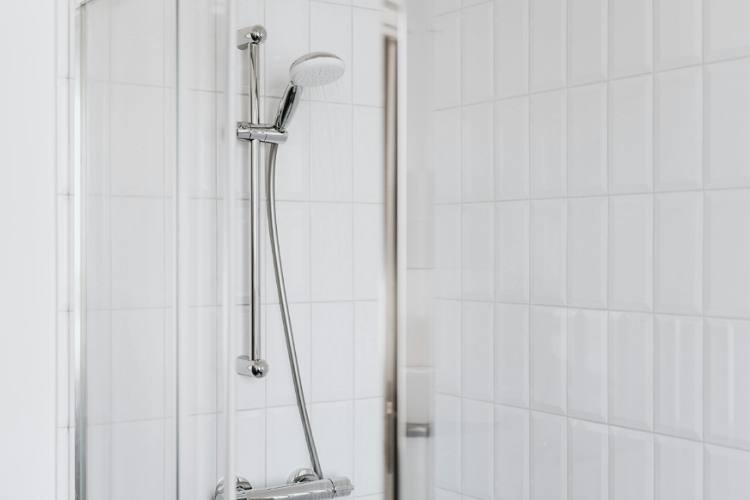
The initial action in the event of a malfunction of the shower system should be centered on stopping the flow of water. This is possible by finding the main shut-off tap or the local isolation valve, which is usually located at the end of the hose, and turning it off. This action will prevent flooding, which could otherwise damage walls or flooring. Once the flow of water has been stopped, the visible parts of the shower system, including the shower head, hose, and fittings, should be checked. Leaks are usually caused by loose connections or a damaged washer. Tightening the fittings or replacing the damaged washer will temporarily solve the problem.
Clear Drainage and Manage Pressure Issues
If there is pooling of water at your feet, this is a clear sign of a blocked drain. You should clean out any obvious obstructions, such as hair or soap residue, using gloves or a simple drain cleaning tool. Running hot water through the drain may help improve drainage. Low water pressure is commonly due to accumulated sediment in your showerhead. Simply unscrew your showerhead and clean it out well. These simple measures will get your showers back in working order without overflowing. Drainage and pressure problems may be signs of more complex obstructions that cannot be solved through DIY solutions.
In conclusion, shower emergencies require a level-headed approach and a certain amount of knowledge. Disconnection of water supply, management of temperatures, monitoring of valves, clearing of drains, and timely response to burst pipes are a few of the important steps that help in reducing damage. Even though temporary fixes provide temporary relief, only professional fixes will provide long-term results. Being prepared with these tips will turn a chaotic situation into a controlled one.