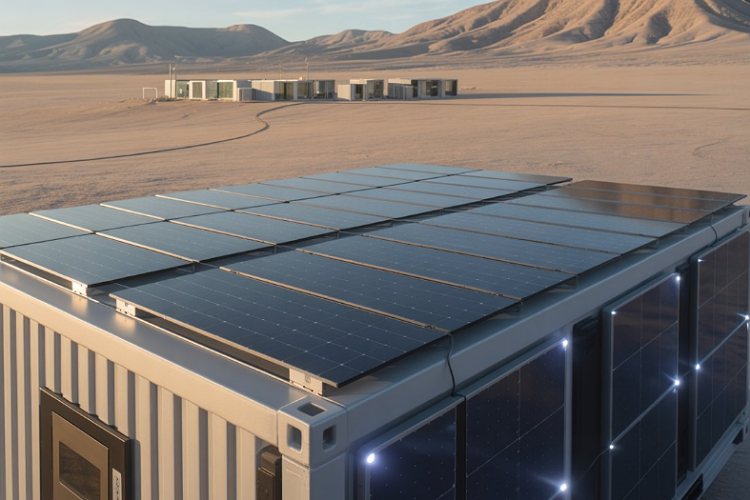
 The renewable energy sector is undergoing a profound transformation. With rising global energy demands and mounting environmental concerns, innovation in how we generate and deliver power has become critical. One of the most exciting advancements leading this evolution is the mobile solar PV container, a compact, transportable solar system capable of powering homes, businesses, and entire communities, even in the most remote regions.
This next-generation solution combines the benefits of photovoltaic (PV) technology, modular engineering, and smart energy storage to create flexible, sustainable, and highly efficient power generation systems. Together with other innovative solar power solutions, these technologies are reshaping the future of clean energy by enabling independence from traditional grids and fossil fuels.
Understanding the Mobile Solar PV Container
A mobile solar PV container is a self-contained, ready-to-deploy power station that integrates solar panels, batteries, and inverters within a durable, transportable container. Designed for rapid installation and easy relocation, these systems can deliver off-grid power anywhere sunlight reaches, from remote construction sites to disaster zones, rural communities, and military outposts.
Each unit is built to international shipping standards, meaning it can be transported by truck, ship, or rail without modification. Once deployed, it can begin producing clean electricity within hours, no permanent infrastructure or complex setup required.
How It Works
- Energy Capture: High-efficiency solar panels mounted on the container absorb sunlight and convert it into DC electricity.
- Power Conversion: Inverters transform DC into AC power for everyday use.
- Storage and Management: Integrated lithium-ion or LiFePO₄ batteries store excess energy, ensuring a 24-hour electricity supply.
- Smart Controls: Automated systems manage energy flow, optimise performance, and protect equipment from overload.
The result is a fully functional, portable solar power system that delivers reliability, efficiency, and scalability anywhere on Earth.
Why Mobility Matters in Renewable Energy
The ability to move power generation where it’s needed most marks a paradigm shift in energy delivery. Traditional solar farms, while effective, are stationary and require significant investment in land, infrastructure, and maintenance.
Mobile PV containers, by contrast, offer a plug-and-play solution that can adapt to changing conditions and locations. This flexibility makes them ideal for both temporary and long-term applications.
Key Advantages of Mobility
- Rapid Deployment: Ideal for emergencies or short-term projects where immediate power is needed.
- Cost-Effective Relocation: Systems can be redeployed to new sites, extending their lifespan and return on investment.
- Minimal Environmental Impact: Requires no land excavation or permanent installations.
- Adaptability: Perfect for projects with variable energy demand or seasonal usage.
This mobility is particularly valuable in industries such as construction, mining, humanitarian aid, and defence, where operations often shift locations but still require consistent, sustainable power sources.
The Rise of Innovative Solar Power Solutions
The global energy transition relies not just on more solar power but on better solar technology, systems that are smarter, more adaptable, and environmentally responsible. This is where innovative solar power solutions play a vital role.
Modern solar technologies integrate artificial intelligence, Internet of Things (IoT) monitoring, and advanced energy storage to maximise performance and minimise waste. These innovations make renewable energy more accessible and efficient than ever before.
Examples of Emerging Innovations
- AI-Driven Energy Management: Predicts energy demand and adjusts generation dynamically.
- Bifacial Solar Panels: Capture sunlight from both sides, boosting total energy output.
- Hybrid Power Systems: Combine solar with wind or hydrogen energy for round-the-clock reliability.
- Smart Microgrids: Enable decentralised energy sharing between containerised systems.
- Recyclable Materials: Promote sustainability by reducing waste and extending component life cycles.
Together, these advancements demonstrate how innovation in solar technology is driving global progress toward sustainable energy independence.
Real-World Applications of Mobile PV Containers
The versatility of mobile solar containers means they’re being adopted across a wide range of sectors, from humanitarian relief to industrial expansion.
1. Emergency and Disaster Relief
When hurricanes, earthquakes, or floods strike, electricity is often the first resource to fail. Mobile solar containers can be quickly transported to affected zones, powering hospitals, communication centres, and shelters without relying on fuel logistics.
2. Rural Electrification
In developing nations, extending traditional power grids to remote areas can be prohibitively expensive. Containerised solar systems provide an affordable, scalable alternative, bringing electricity and opportunity to communities for the first time.
3. Construction and Mining Operations
These industries require reliable, on-site energy in remote or temporary locations. Mobile solar containers replace diesel generators, reducing noise, emissions, and long-term operational costs.
4. Military and Field Operations
Defence organisations benefit from silent, renewable energy systems that reduce fuel dependency and logistical vulnerabilities.
5. Events and Commercial Use
Outdoor events, film productions, and temporary facilities use mobile solar systems as sustainable, noise-free alternatives to conventional generators.
Environmental and Economic Benefits
Containerised solar systems combine the best of both worlds, environmental responsibility and economic practicality.
Environmental Impact
- Zero Emissions: Generates clean power without fossil fuels or carbon output.
- Reduced Noise: Operates silently, ideal for residential and environmental applications.
- Low Land Footprint: Requires minimal space and no permanent construction.
- Sustainable Materials: Containers are often repurposed, promoting circular design.
Economic Advantages
- Lower Operating Costs: Free solar energy eliminates recurring fuel expenses.
- Reduced Maintenance: Smart monitoring minimises downtime and servicing costs.
- Scalability: Additional units can be added to match growing energy demand.
- Energy Independence: Protects businesses and communities from energy price volatility.
These combined advantages make mobile solar technology one of the most promising tools in achieving long-term sustainability goals.
The Role of Smart Energy Management
Modern mobile solar PV containers are more than mechanical systems; they’re intelligent energy platforms. Built-in software manages power flow, monitors component health, and optimises energy storage in real-time.
Through IoT integration, operators can monitor system performance remotely, identify faults instantly, and adjust power distribution dynamically. This not only enhances reliability but also improves lifespan and efficiency.
Future systems are expected to leverage machine learning to predict weather patterns, optimise load management, and automate energy trading between microgrids, turning standalone units into part of a connected, adaptive clean energy network.
Global Market Growth and Future Outlook
The market for containerised solar power solutions is expanding rapidly. As nations invest in renewable infrastructure and seek flexible energy sources, mobile PV technology is gaining global traction.
Regional Trends
- Asia-Pacific: Leading in adoption for rural electrification and industrial expansion.
- Africa: Using containerised solar systems to bring power to off-grid villages.
- Europe and North America: Employing mobile systems for sustainable construction and emergency resilience.
Looking ahead, the focus will be on integration, intelligence, and scalability, with next-generation systems combining solar, wind, and hydrogen power in unified platforms.
Challenges and Innovations Ahead
Despite the advantages, mobile solar PV containers face a few challenges:
- High Initial Cost: Advanced storage systems and automation increase upfront pricing.
- Transportation Logistics: Moving containers to remote areas can be difficult.
- Maintenance Expertise: Requires skilled technicians for advanced monitoring systems.
However, ongoing innovation continues to address these issues:
- Lighter Materials: Reducing transport and installation costs.
- Predictive Maintenance AI: Prevents system downtime.
- Improved Battery Chemistry: Extends lifespan and increases storage capacity.
- Modular Expansion Designs: Simplifies scalability for large projects.
These developments ensure that mobile solar technology remains cost-effective, reliable, and future-ready.
Conclusion
The mobile solar PV container represents a remarkable step forward in the evolution of renewable energy. By merging portability, intelligence, and sustainability, it enables clean power generation in any environment.
Coupled with innovative solar power solutions, these systems embody the future of global energy: flexible, efficient, and independent of fossil fuels. From remote villages to industrial sites, they’re not just powering progress; they’re redefining it.
As the world embraces a carbon-neutral future, mobile solar technology stands as a symbol of innovation and hope, bringing light, power, and opportunity wherever it’s needed most.