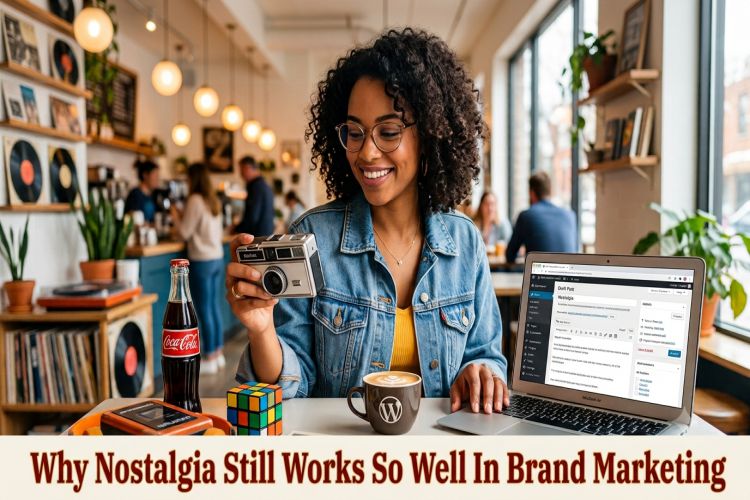
 Nostalgia is a funny thing. It can make a simple colour palette, sound effect, old-school graphic or clunky little animation feel instantly warm and familiar. You don’t need to have lived through a particular era perfectly to feel the pull of it, either. Sometimes it’s enough for something to remind you of childhood bedrooms, after-school snacks, early video games, weekend cartoons or the strange joy of technology that felt exciting because it was so basic.
That’s why brands keep returning to retro ideas when they want to stand out. Used well, nostalgia doesn’t feel dusty or lazy. It feels playful. A campaign like 8-bit TAXIBOX taps into that pixelated, game-like visual language in a way that feels light, memorable and easy to share, while still pointing people back to a modern service.
Nostalgia Creates Instant Recognition
In a crowded market, recognition matters. People are scrolling quickly, walking past ads, half-watching videos, checking emails between tasks and generally giving brands very little attention. Nostalgic visuals can cut through that noise because they carry meaning before anyone reads a line of copy.
An 8-bit style, for example, instantly suggests old arcade games, early consoles and simple digital worlds. It doesn’t need a long explanation. The look does some of the work on its own. For people who grew up with that aesthetic, it feels familiar. For younger audiences, it still has charm because retro gaming has become part of wider pop culture.
It Makes Brands Feel More Human
Nostalgia can also soften a brand. Not every business sells something naturally exciting, and that’s okay. Some services are practical, useful or even a bit stressful to organise. Moving house, storing belongings, sorting logistics or comparing service options may not feel like anyone’s idea of fun.
That’s where a playful creative idea can change the mood. It gives people a different way into the brand. Instead of leading with dry information, the brand creates a small moment of amusement. That doesn’t replace the need for clear details, good service or a reliable product, but it does make the first interaction feel less like admin.
The Best Retro Ideas Still Need A Point
Of course, nostalgia for its own sake can wear thin quickly. A brand can’t just throw pixels, neon colours or cassette tapes at a campaign and assume people will care. The retro idea needs to connect to the message in some way. It should make the brand easier to remember, explain something clearly, or create a feeling that suits the customer experience.
The most effective nostalgic marketing usually has a little wink to it. It knows the reference is old-fashioned, but it uses it with confidence rather than treating it like a gimmick. There’s a difference between “remember this?” and “we’ve borrowed this familiar style to make something current more enjoyable.”
Simplicity Can Be Powerful
One of the reasons retro gaming aesthetics work so well is that they’re simple. The graphics are blocky. The colours are bold. The rules of the world are easy to understand. In marketing, that simplicity can be a strength. It strips away some of the polish and makes the brand feel more approachable.
There’s also a sense of participation. People like spotting references, sharing things that make them smile, and feeling like they’re in on the joke. A nostalgic campaign gives them a tiny emotional hook, which can be much more memorable than another perfectly polished but forgettable ad.
Old Ideas Can Still Feel Fresh
Nostalgia works because it’s not really about the past. It’s about feeling something quickly: comfort, amusement, recognition, curiosity. When brands use it thoughtfully, they’re not just copying an old style. They’re borrowing a familiar language to make a modern message easier to enjoy.
And in a world where people are constantly being marketed to, a little charm can go a long way.