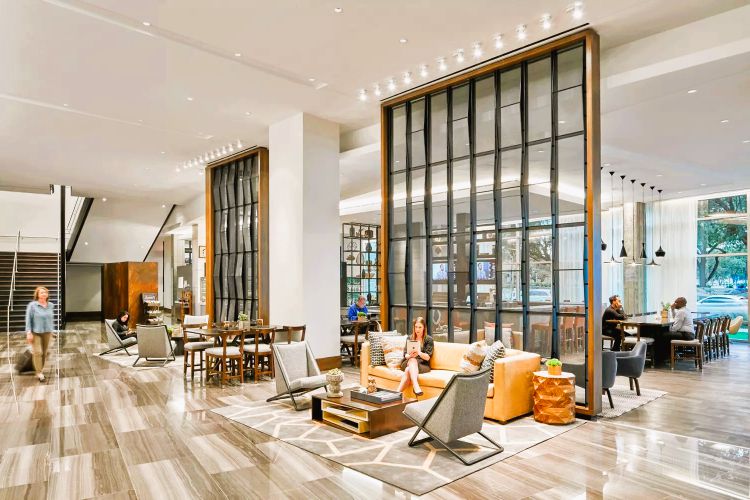
 Walk into a hotel and you’ll usually form an opinion before you’ve even reached the reception desk. It might be the warmth of the lobby, the comfort of the lounge seating, the way the dining area feels at breakfast, or the quiet confidence of a room that has clearly been designed with care. Guests may not always notice every individual chair, table, bedhead or sideboard, but they absolutely notice how the space makes them feel.
That’s why furniture plays such an important role in the overall hotel experience. It isn’t just there to fill a room or tick off a design checklist. It shapes comfort, movement, atmosphere and practicality, all at once. For accommodation providers planning a refresh, renovation or new venue, choosing hotel furniture for fit-outs can be one of the most important decisions in the entire project.
First Impressions Begin in Shared Spaces
The lobby is often the first real moment of connection between a hotel and its guests. After a long flight, a late drive or a busy day of meetings, people want to feel like they’ve arrived somewhere calm, organised and welcoming. Furniture helps set that mood immediately.
A stiff, awkward lobby can make guests feel like they’re waiting in an office. A well-planned one, on the other hand, invites them to pause, check their phone, meet a colleague, enjoy a coffee or simply take a breath before heading upstairs. Lounge chairs, low tables, banquettes and occasional seating all contribute to this feeling, especially when they’re arranged in a way that feels natural rather than forced.
Good hotel furniture also needs to look polished without becoming precious. These spaces are used constantly by guests with luggage, families with children, business travelers, staff and visitors, so durability matters just as much as style.
Comfort Should Never Feel Like an Afterthought
A hotel room has to do a lot with limited space. It needs to be somewhere to sleep, work, relax, unpack, get ready and recharge. The best rooms make all of that feel effortless, which usually comes down to thoughtful furniture choices.
A comfortable armchair near a window can turn a standard room into somewhere guests actually want to spend time. A well-sized desk can make life easier for business travelers. Bedside tables with enough surface space, luggage benches that don’t feel like an afterthought, and wardrobes that suit real guest behavior all help create a smoother stay.
The mistake some venues make is focusing too heavily on appearance while forgetting the daily reality of guest use. Beautiful furniture is important, but if it’s uncomfortable, difficult to clean, poorly proportioned or not suited to commercial wear, the shine fades quickly.
Dining Areas Need Their Own Personality
Hotel dining spaces have changed a lot in recent years. Breakfast rooms, restaurants, bars and casual dining corners are no longer expected to feel generic. Guests often want spaces that feel relaxed and inviting, whether they’re grabbing a quick coffee before checkout or settling in for dinner.
This is where furniture can help define zones without needing walls. Booth seating can make a restaurant feel intimate, while flexible tables and chairs allow staff to adapt the room for different group sizes. Bar stools, communal tables and soft seating can also help create a more layered, interesting environment.
The key is to think about how people actually move through the space. Staff need clear pathways, guests need enough room to sit comfortably, and the furniture needs to cope with repeated use without looking tired after a short period.
Practicality Is Part of Good Design
In a hotel setting, furniture is always doing double duty. It has to support the visual identity of the venue, but it also has to perform under pressure. That means considering materials, finishes, cleanability, weight, stackability, maintenance and replacement options before making final choices.
A chair that looks perfect in a showroom may not be the right chair for a busy breakfast service. A table that feels stylish in photos may become frustrating if it marks easily or wobbles after heavy use. Good design isn’t about choosing the most expensive or dramatic pieces; it’s about choosing pieces that continue to make sense long after opening week.
Creating Spaces Guests Remember
The most memorable hotel interiors often feel effortless, but that ease is usually the result of careful planning. Furniture helps carry the personality of the venue, whether the goal is boutique and intimate, coastal and relaxed, corporate and refined, or bold and contemporary.
When every piece has been selected with comfort, durability and atmosphere in mind, the entire hotel feels more considered. Guests settle in more easily, staff can work more efficiently, and the space feels consistent from the lobby to the rooms to the dining areas.
The Details Make the Stay
A hotel stay is built from dozens of small moments, and furniture is part of almost all of them. It’s where guests wait, eat, work, rest, talk, read and unwind. When those moments feel comfortable and well thought out, the hotel becomes more than just a place to sleep. It becomes somewhere people remember for the right reasons.