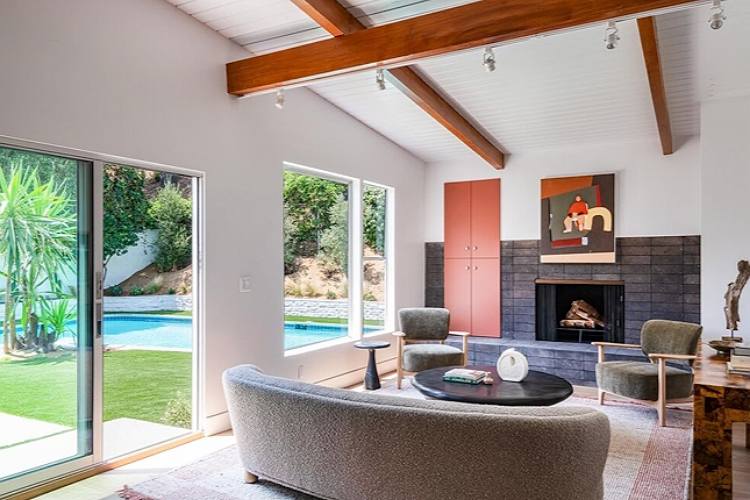
 There is a certain kind of home that looks perfect at first glance. The cushions are arranged just so, the coffee table seems untouched, and every corner appears ready for a magazine shoot. Styled homes have their place. They can be inspiring, polished, and visually impressive. But the homes people tend to remember most fondly are usually the ones that feel warm, personal, and genuinely lived in.
That distinction matters. A well-designed space should not only photograph beautifully, but also support the rhythms of everyday life. It should welcome people in, reflect the personalities of those who live there, and still feel comfortable on a quiet Tuesday night. Even pieces like timber dining tables can help strike that balance, bringing both visual character and day-to-day practicality into the heart of the home.
So what exactly is the difference between a styled home and a lived-in home? More importantly, how do you create a space that feels considered without becoming stiff, overworked, or impersonal?
A styled home is led by appearance
A styled home is often arranged with presentation as the priority. It is built around how a space looks rather than how it functions. That does not mean it is poorly designed. In fact, styled homes can be stunning. The colour palette is cohesive, the furniture is proportional, and the accessories are deliberately chosen to create a particular mood.
The issue arises when styling becomes too rigid. Rooms can begin to feel like displays rather than places to actually inhabit. A sofa may look beautiful, but if no one feels comfortable putting their feet up on it, something is missing. A dining setting may be elegant, but if it feels too precious for family dinners, it stops serving the people it was meant to support.
Purely styled spaces often rely on perfection. Surfaces are kept bare, personal items are hidden away, and signs of real use are minimised. The result can be refined, but it can also feel a little distant.
A lived-in home is led by real life
A lived-in home, on the other hand, is shaped by the people inside it. It still may be beautiful, thoughtfully furnished, and visually cohesive, but it is not afraid of evidence that life is happening there.
Books are left within reach because someone is actually reading them. A favourite armchair sits in the best patch of afternoon light because that is where someone likes to unwind. The dining table has a few marks and stories behind it, because it has hosted everything from quick breakfasts to long conversations with friends. These details give a home emotional texture.
A lived-in home feels relaxed because it has been allowed to evolve. It is less about getting every detail “right” and more about creating an environment that feels supportive, comfortable, and honest. There is room for imperfection, and that is often what makes it feel inviting.
The best homes sit somewhere in the middle
It is easy to assume you must choose one or the other, but the most appealing homes usually borrow from both worlds. They have the structure and intention of a styled interior, combined with the warmth and individuality of a lived-in one.
That balance is where good design becomes meaningful. Styling helps a space feel cohesive. It creates visual clarity, introduces contrast and texture, and gives each room a sense of purpose. Living in a home, however, is what gives it soul. Without that layer of personality and use, even the most expensive interiors can feel flat.
A well-balanced home is edited, but not stripped of character. It is tidy, but not sterile. It is curated, but not controlled.
Styled homes often prioritise restraint
One of the hallmarks of a styled home is restraint. There are fewer objects on display, fewer visual interruptions, and often a clear effort to keep everything polished. This can create a calm and sophisticated atmosphere, especially in smaller spaces where clutter quickly overwhelms the room.
But restraint can go too far. When a home becomes overly edited, it can begin to lose warmth. Rooms that have no visible signs of routine can feel as though they are waiting for approval rather than being enjoyed.
This is where people sometimes mistake minimalism for good design. A sparse room is not automatically better designed than a layered one. What matters is whether the space feels resolved and usable. Empty surfaces and neutral tones only work when they still support comfort and personality.
Lived-in homes embrace familiarity
Lived-in homes tend to feel welcoming because they acknowledge habits, memories, and comfort. They reflect the lives unfolding inside them rather than hiding them.
This might mean a hallway with shoes near the door because the household actually uses that entrance every day. It could mean a basket of throws in the living room, a stack of cookbooks in the kitchen, or artwork that is not perfectly symmetrical but deeply meaningful. These elements soften a space. They make it relatable.
Importantly, lived-in does not mean messy or neglected. A lived-in home can still be beautifully maintained. The difference is that it allows for movement, routine, and personal history. It feels inhabited rather than staged.
Personality is the dividing line
Perhaps the biggest difference between a styled home and a lived-in home is personality.
A styled home can sometimes feel as though it was assembled according to a formula. It follows trends well, uses recognisable shapes and finishes, and often looks highly resolved. But if anyone could live there and nothing would feel different, it may be lacking a personal point of view.
A lived-in home tells you something about the people inside it. Their taste, priorities, routines, and memories all leave a mark. Maybe it is through collected objects from travels, inherited furniture, family photographs, handmade ceramics, or an unusual mix of old and new pieces that would never appear in a showroom vignette but work beautifully in context.
These personal touches are what stop a home from feeling generic. They give it depth, not just decoration.
Comfort changes everything
You can often tell whether a home is merely styled or truly lived in by how it makes people feel.
Styled homes may impress instantly, but lived-in homes tend to put people at ease. They invite someone to sit down, stay a while, and interact with the space naturally. Comfort is a powerful design tool, yet it is often overlooked in favour of aesthetics.
Soft lighting, durable materials, generous seating, and furniture placed with actual movement in mind all contribute to that feeling. So does allowing a room to support multiple purposes. A living area, for instance, should not only look beautiful when untouched. It should also work for reading, chatting, resting, entertaining, and all the in-between moments that make a house feel like home.
Function reveals whether a home really works
A styled room may be arranged around symmetry, visual impact, or a hero piece. A lived-in room is arranged around use.
That does not mean functionality has to be boring. It simply means the room has been considered from the perspective of daily life. Is there enough storage where clutter tends to collect? Are side tables positioned where people actually need them? Is the lighting appropriate at different times of day? Can the space flex when guests come over?
Homes that feel successful over time are rarely the ones that chase an ideal image. They are the ones that quietly work. They support the people using them without making every moment feel like a performance.
Texture and imperfection add warmth
Another key difference lies in how each type of home handles texture and imperfection.
Styled spaces often favour crispness. Smooth finishes, uncreased linen, pristine surfaces, and tightly controlled palettes all create a sense of order. While beautiful, they can sometimes feel a little untouchable.
Lived-in spaces, by contrast, often have a softness to them. Timber that shows grain and wear, textiles that drape naturally, ceramics with slight irregularities, and rugs that have settled into the room all help create a sense of ease. These details make a space feel grounded and human.
Imperfection is not a flaw in good interiors. When used well, it is what keeps them from feeling overly rehearsed.
How to create a home that feels both beautiful and real
For many people, the goal is not to abandon styling altogether. It is to style with enough flexibility that the home still feels real.
A good starting point is to choose foundational pieces that are both attractive and practical. Furniture should suit your lifestyle, not just your Pinterest board. Then layer in details that reflect who you are: art you genuinely love, objects with a backstory, books you return to, and materials that improve with age.
It also helps to resist the urge to fill every corner at once. Lived-in homes often develop over time. They are collected gradually, adjusted as needs change, and shaped by experience. That slower approach tends to create more character than buying everything in one sweep.
Finally, let rooms breathe a little. Not every surface needs to be styled. Not every shelf needs to be balanced to perfection. Some of the most charming interiors have a touch of looseness to them. That relaxed quality is often what makes them feel authentic.
A home should feel like it belongs to you
The true difference between a styled home and a lived-in home is not really about mess versus order, or beauty versus practicality. It is about whether the space feels inhabited in a meaningful way.
A styled home says, “Look at me.” A lived-in home says, “Come in.”
The best interiors manage to do both. They are thoughtful enough to feel elevated, yet personal enough to feel genuine. They acknowledge that homes are not static showcases. They are living environments, shaped by routine, memory, comfort, and change.
When a home reflects the people inside it, it becomes far more than well decorated. It becomes memorable, welcoming, and deeply its own. And that is ultimately what most people are searching for — not perfection, but a space that feels beautifully real.