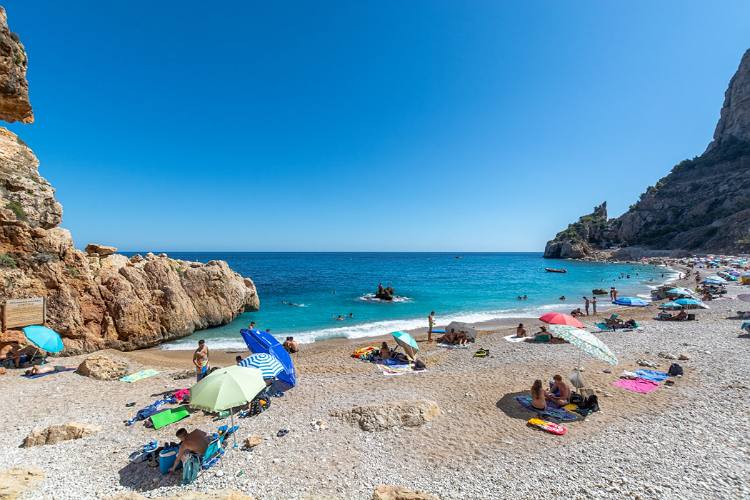
 Planning a summer vacation in Europe can be exhilarating, but it comes with its own set of challenges—especially when it comes to packing. The key to a smooth trip lies in packing smart: bringing the essentials without overloading yourself, adapting to different climates and cultures, and being ready for both urban adventures and scenic escapes. Whether you’re wandering the cobblestone streets of Rome, hiking in the Swiss Alps, or lounging on the beaches of Spain, here’s a comprehensive guide to packing for a European summer getaway.
1. Start with a Packing Strategy
The first step is to decide what type of trip you’re taking and how long you’ll be gone. Are you visiting multiple countries, or staying in one region? Will you rely on public transportation, or rent a car? This affects the type of luggage you bring. For a multi-country trip, a lightweight suitcase with wheels is ideal for city streets and train stations. For a single-city stay, a backpack or carry-on can be sufficient. Always choose durable, high-quality luggage with compartments to keep items organized.
Consider creating a packing list early. Break it down into categories: clothing, shoes, toiletries, electronics, documents, and extras like sunscreen or travel guides. This ensures you don’t forget essentials while keeping your luggage manageable. Many seasoned travelers suggest the “one week, mix-and-match” rule: plan outfits that can be rotated to cover multiple days without repeating the exact look.
2. Clothing Essentials
Summer in Europe is generally warm, but temperatures and weather patterns can vary widely. Northern Europe, like Scandinavia or the UK, may still be cooler in early summer, while southern regions, such as Italy, Spain, and Greece, can get very hot. Packing layers is crucial. Lightweight, breathable fabrics like cotton, linen, or moisture-wicking blends are ideal. Include:
- Tops: 4–6 t-shirts or blouses, plus 1–2 long-sleeve shirts for cooler evenings.
- Bottoms: 2–3 pairs of shorts, 1–2 skirts or dresses, and 1–2 lightweight pants.
- Outerwear: A light jacket or cardigan for unpredictable weather. A small rain jacket is especially handy in northern Europe.
- Swimwear: Even if you’re not hitting the beach every day, packing a swimsuit is useful for spontaneous trips to pools, lakes, or seaside towns.
- Undergarments and socks: Pack enough for at least a week; consider quick-dry options for easy washing on the go.
When choosing clothing, aim for versatility and neutral colors that can be paired in multiple ways. Avoid overpacking; in many European cities, laundromats or hotel laundry services are accessible and affordable.
3. Footwear Matters
Europe is famous for its walking-friendly cities, cobblestone streets, and historic sites. Comfortable shoes are non-negotiable. A practical packing strategy includes:
- Walking shoes: Sneakers or cushioned flats for sightseeing.
- Sandals: Open-toed shoes for hot days or beach trips.
- Dress shoes: Optional, for formal dinners or theater nights.
Avoid bringing brand-new shoes; break them in before your trip to prevent blisters.
4. Toiletries and Health Items
Traveling light often means consolidating toiletries. Consider reusable travel-size containers to save space. Essentials include:
- Toothbrush, toothpaste, floss
- Shampoo, conditioner, body wash
- Deodorant and skincare products
- Sunscreen and lip balm with SPF
- Personal medications (carry prescriptions)
A small first-aid kit can be invaluable for minor cuts, headaches, or digestive issues. Remember that many European pharmacies are well-stocked, but it’s best to bring your specific medications from home.
5. Electronics and Travel Gear
Summer vacations often mean capturing memories and navigating unfamiliar cities. Packing efficiently can keep electronics safe and functional:
- Smartphone and charger: Essential for maps, translations, and photos.
- Travel adapter: Europe uses different plug types; a universal adapter is handy.
- Portable power bank: Keeps devices charged while exploring.
- Camera: Optional, if you want higher-quality photos than a smartphone can provide.
- Headphones or earbuds: For flights, train rides, or quiet downtime.
A lightweight backpack or crossbody bag is useful for day trips, holding essentials like a water bottle, sunscreen, maps, and a camera.
6. Documents and Money
Travel documents are among the most important items to pack. Keep them secure and accessible:
- Passport and/or ID card
- Travel insurance documents
- Flight, train, and accommodation confirmations
- Credit/debit cards and some local currency for small purchases
- Emergency contact list
A travel wallet or RFID-blocking pouch helps organize these items and adds security against theft.
7. Extras That Make Travel Easier
Some additional items can make your European vacation smoother:
- Reusable water bottle: Many cities have fountains or refill stations.
- Sunglasses and hat: Protects from strong sun, especially in southern Europe.
- Travel towel: Compact, quick-drying towels are useful for beach trips or hostels. Packing soft Turkish cotton towels can add a touch of luxury and comfort for your hotel or beach use.
- Foldable tote or day bag: Great for shopping, picnics, or souvenirs.
- Snacks: Granola bars or nuts for long train rides or hikes.
Packing a small laundry kit—sink-safe detergent and a travel clothesline—can also save space and money on extended trips.
8. Packing Techniques
How you pack can be just as important as what you pack. Use these tips:
- Rolling clothes: Saves space and reduces wrinkles.
- Packing cubes: Keep clothing and accessories organized.
- Shoes in bags: Prevent dirt from spreading to clothes.
- Heavy items at the bottom: Distribute weight evenly to make rolling or carrying luggage easier.
Always leave a little extra room for souvenirs. Europe offers unique crafts, fashion, and gourmet foods that you’ll want to bring home.
9. Final Tips
Before zipping your suitcase, double-check the weather forecast for your destinations. Adjust clothing accordingly. Keep a list of items to check during travel so nothing is left behind at airports, hotels, or trains. Most importantly, prioritize comfort and practicality over fashion alone—Europe is best explored on foot, and heavy or restrictive packing can turn an exciting adventure into a cumbersome chore.
Packing for a summer vacation in Europe is a balancing act between preparation and flexibility. By planning thoughtfully, bringing versatile clothing, comfortable shoes, essential documents, and a few extras for convenience, you’ll be ready to enjoy every historic city, scenic landscape, and cultural experience. Remember: less is often more, and the freedom to move unencumbered will let you focus on the real purpose of travel—making memories that last a lifetime.