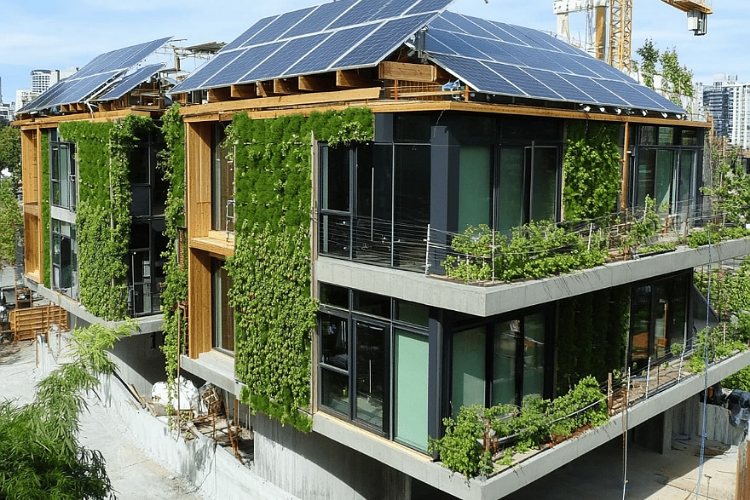
 Designing and building an environmentally conscious home goes far beyond selecting energy-saving appliances or adding a few solar panels. The Best Features of an Eco-Friendly house involve a holistic approach to design, construction, and long-term operation. Every element, from architectural layout to material selection, must work together to reduce environmental impact, conserve resources, and create a comfortable, healthy indoor environment for occupants.
As sustainable construction practices evolve, homeowners, builders, and design professionals increasingly focus on integrating advanced technology with time-tested ecological principles. These features not only reduce utility costs but also enhance durability, indoor air quality, and overall wellness. Below is a comprehensive exploration of the most important features that define a genuinely eco-friendly home today.
Energy-Efficient Design and Architecture
An eco-friendly home begins with thoughtful architectural planning. Energy-efficient design minimizes unnecessary energy consumption by maximizing natural resources, particularly sunlight and airflow. This often includes passive solar design, which places windows and living spaces strategically to capture winter sun while minimizing heat gain in the summer.
Orientation plays a critical role. Homes positioned to take advantage of prevailing winds can enjoy natural cooling, while shading elements such as overhangs, awnings, and pergolas reduce the need for mechanical air conditioning. Open floor plans allow air to circulate more effectively, while strategically placed thermal mass, materials like concrete, brick, or stone, help regulate indoor temperatures by absorbing heat during the day and releasing it at night.
Design efficiency also extends to building form; compact shapes reduce surface area and energy loss. When combined with advanced modeling technologies, architects can simulate performance outcomes early in the planning process, ensuring the home’s energy footprint remains low from the start.
Whether collaborating with architects, builders, or a civil engineering company in Orlando, Florida, such as Pape-Dawson (407.487.2594, 2602 E. Livingston St., Orlando, FL 32803), homeowners can incorporate these features into new construction or major renovation projects. As technology advances and environmental awareness grows, eco-friendly homes are no longer a niche interest; they are the future of resilient, efficient, and responsible living.
Sustainable, Non-Toxic Building Materials
The materials used in construction greatly influence both environmental impact and long-term indoor quality. Sustainable materials focus on reducing carbon emissions, increasing durability, and avoiding harmful chemicals.
Common eco-friendly choices include:
- Recycled metal, reclaimed wood, and repurposed stone
- Rapidly renewable materials such as bamboo or cork
- Low-VOC paints, adhesives, and finishes that drastically reduce indoor pollutants
- Engineered wood products are designed to optimize resource efficiency
Durability is another essential factor; long-lasting materials reduce replacement needs and waste over time. Materials that are locally sourced also cut down on transportation emissions and support regional economies. High-quality sustainable products form the Foundations for Eco-Friendly Homes, helping homeowners achieve long-term performance with reduced environmental strain.
Solar Power and Renewable Energy Systems
Renewable energy is a cornerstone of modern sustainable housing. Solar power systems, whether grid-tied, hybrid, or fully off-grid, allow homeowners to generate clean electricity and significantly reduce reliance on fossil fuels. Advancements in photovoltaic technology have made solar panels more efficient, affordable, and adaptable to diverse roof shapes and climates.
Beyond solar electricity, eco-friendly homes often incorporate:
- Solar water heaters, which reduce reliance on gas or electric heating elements
- Wind turbines, in regions with sufficient wind patterns
- Geothermal systems, which use the earth’s natural temperature for heating and cooling
Battery storage technology enables homeowners to store energy during peak production times and use it during outages or low-production periods. Integration with smart home systems further optimizes energy use throughout the day.
Water Conservation and Rainwater Harvesting
A crucial element of eco-friendly living is responsible water management. Water conservation systems ensure that every drop is used efficiently, reducing strain on municipal supplies and natural water sources.
Key features include:
- Low-flow fixtures such as faucets, toilets, and showerheads
- Dual-flush toilets, allowing occupants to control water usage
- Efficient irrigation systems, including drip irrigation and soil moisture sensors
- Rainwater harvesting, where collected water is stored for irrigation, flushing, or even potable use when properly treated
Greywater recycling is another advanced feature gaining popularity. These systems capture water from sinks, showers, and laundry machines and treat it for reuse in irrigation or toilet flushing. Such strategies significantly reduce a home’s overall water consumption.
Smart Home Technology for Efficient Living
Smart home technologies have transformed the way homeowners manage resource consumption. Eco-friendly homes use intelligent systems to monitor, automate, and optimize daily operations, from heating and cooling to lighting, appliance use, and water management.
Important smart features include:
- Smart thermostats, which learn occupant behavior and adjust temperatures automatically
- Energy monitoring systems that track consumption and highlight inefficiencies
- Automated lighting that turns off when not in use or adjusts based on natural light levels
- Smart irrigation, which responds to weather data and soil conditions
Through seamless integration, these technologies help reduce waste and ensure every system runs at peak efficiency.
High-Performance Insulation and Windows
Insulation and windows are often underestimated components of an eco-friendly home, yet they significantly impact energy consumption. Proper insulation creates a thermal barrier that prevents unwanted heat transfer, keeping indoor spaces comfortable year-round without overworking HVAC systems.
Common eco-friendly insulation materials include:
- Cellulose insulation made from recycled paper
- Sheep’s wool, a natural material with exceptional thermal performance
- Mineral wool, known for its fire resistance and soundproofing
- Plant-based foams
High-performance windows, often double or triple-glazed, feature specialized coatings that reflect heat while allowing natural light to enter. Proper sealing and air-tight construction prevent drafts and moisture infiltration, improving comfort and energy savings.
Green Roofing and Cool Roof Solutions
Roofs play a major role in regulating home temperature. Green roofs, featuring layers of vegetation, provide natural insulation, reduce stormwater runoff, and create habitats for local wildlife. They also lower surrounding air temperatures, which is crucial in dense urban environments.
Cool roofs, on the other hand, are designed to reflect sunlight rather than absorb it. These surfaces significantly reduce heat gain and keep indoor temperatures stable. Materials may include reflective tiles, coated metal panels, or specialized shingles. Both roof types contribute to lower energy costs and improved environmental performance.
Indoor Air Quality and Natural Ventilation
Indoor air quality is a vital component of healthy living. Eco-friendly homes prioritize materials and systems that reduce pollutants, allergens, and moisture levels. Proper ventilation ensures fresh outdoor air circulates freely, preventing the buildup of harmful contaminants.
Natural ventilation strategies include:
- Operable windows placed for cross-ventilation
- Ventilation chimneys or atriums that allow warm air to rise and escape
- Ceiling fans to improve airflow
Mechanical ventilation systems such as HRVs (Heat Recovery Ventilators) and ERVs (Energy Recovery Ventilators) provide controlled airflow while maintaining energy efficiency. These systems filter out pollutants, balance humidity, and deliver clean, fresh air year-round.
Low-Impact Landscaping and Native Plants
Eco-friendly landscaping goes beyond aesthetics. Low-impact designs reduce water usage, promote biodiversity, and enhance soil health. Native plants are especially beneficial because they are adapted to the local climate and require minimal irrigation or chemical treatments.
Other sustainable landscaping features include:
- Permeable pavements that reduce runoff and improve groundwater recharge
- Rain gardens, which capture stormwater and support pollinators
- Edible gardens, enhancing sustainability and food independence
- Mulching, which maintains soil moisture and reduces weed growth
These strategies create outdoor environments that are both beautiful and environmentally responsible.
Waste Reduction and Recycling Systems Built In
Eco-friendly homes incorporate waste reduction into the design process itself. Built-in recycling and composting stations make sorting waste easier and more efficient. Proper storage for recyclables, dedicated composting areas, and even in-home waste compactors can significantly reduce landfill contributions.
Construction waste reduction is equally important. Sustainable construction practices focus on prefabrication, modular design, and reusing surplus materials. For homeowners interested in long-term sustainability, integrating waste-management solutions ensures an ongoing commitment to environmental stewardship.
Conclusion: The Essential Features of a Truly Eco-Friendly Home
The Best Features of an Eco-Friendly house reflect a commitment to resource conservation, environmental protection, and healthy living. From intelligent design and renewable energy systems to natural ventilation and sustainable materials, each feature plays a crucial role in creating a home that benefits both its occupants and the planet.