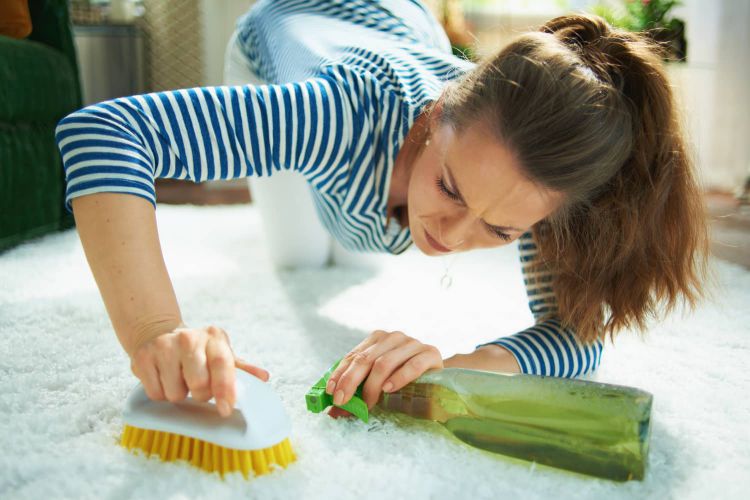
 Have you ever cleaned your carpet only to find it looking dull or feeling sticky a few days later? Often, it’s not the dirt returning—it’s leftover detergent. Residue can trap dust, dull fibres, and even attract allergens, making your floors look and feel grimy despite your efforts.
The good news? Preventing build-up is completely achievable. With the right methods and a few simple habits, your carpets can stay cleaner, softer, and healthier for longer.
No more constant scrubbing or pricey touch-ups—just smart, effective cleaning that really works. Let’s dive into the steps that make all the difference.
Choose the Right Detergent
If you want to keep your carpets looking fresh, pick the right cleaning solution. Commercial products often leave tiny bits behind, making your floor coverings appear lifeless while drawing in more dirt.
Instead, look for low-foaming, residue-free formulas that battle grime without the sticky aftermath. Nature-friendly alternatives work wonders, too. They effectively sanitise the floors, and they’re still kind to our planet.
Selecting an appropriate formula helps minimise lingering residue. Your rugs will maintain their appeal for longer, bringing a delightful ambience to your living space.
Dilute Detergents Properly
Getting the dilution right makes a bigger difference than most people realise. Too much detergent leaves sticky patches that dull the fibres and attract even more dirt, which is exactly what you’re trying to avoid.
Those instructions on the bottle aren’t just suggestions. Use a measuring cup or the machine’s built-in markers to get an accurate mix, especially when you’re working with carpet cleaners. The right ratio means cleaner fibres, easier rinsing, and results that actually last.
And if all the measuring feels like a chore, a carpet washing service handles this every day. They know the ideal concentration for different carpet types and can leave your floors spotless without the guesswork.
Use Hot Water When Possible
Warm water makes a big difference when you’re trying to avoid detergent residue. Heat helps loosen old grime and breaks down leftover cleaning detergents, so it rinses out more easily.
You’ll also find that carpets dry faster when the water is warm, which reduces the chance of residue settling back into the fibres.
If you’re using a carpet cleaner, look for one with a built-in heater. If not, simply fill the tank with hot tap water. You’ll need less detergent overall, and that alone goes a long way towards keeping build-up at bay.
It’s a simple tweak, but getting the temperature right can completely change how clean—and how fresh—your carpet feels afterwards.
Limit Detergent Use
When it comes to carpet cleaning, more product doesn’t equal a better clean. In fact, using too much detergent is one of the fastest ways to create residue that leaves carpets feeling stiff and looking dull.
Target the dirty spots with a bit more attention and keep product use light in the cleaner areas. This not only prevents build-up but also saves you from wasting detergent. Testing a small hidden patch can also help you judge whether you’re using the right amount.
Using less solution keeps your carpets softer, fresher, and in better condition over time—proof that a lighter touch often delivers the best results.
Rinse Thoroughly
Once you’ve finished scrubbing, a proper rinse is essential. Any detergent left behind will act like a dirt magnet, making your carpet look grubby again far sooner than it should.
If your machine has a rinse-only setting, make good use of it. Actually, it takes most of the effort out of the process. If not, just go over the area with plain water to flush out the suds.
This is especially important when you’ve used a stronger solution, as heavy-duty products tend to cling to fibres and can leave behind unpleasant smells.
If time allows, a second rinse is worth it. Think of it like giving your hair one extra wash to make sure everything’s fully clean. Using warm water also helps break down any leftover detergent, leaving your carpet feeling fresh and soft underfoot.
Let the Carpets Dry Completely
Letting your carpets dry all the way is vital. When they stay damp, they trap soil and leftover detergent, leading to musty smells and, in some cases, unwanted health issues.
A fully dry carpet, on the other hand, stays fresher for longer and avoids that sticky, dull feeling that residue can cause.
Set up a few fans or switch on a dehumidifier to get the air moving and pull out moisture quickly. Timing helps, too. Clean your carpets on days when the humidity drops so they can dry more efficiently.
When the fibres dry properly, you avoid mould, protect the carpet’s structure, and keep your home feeling clean and comfortable.
Create a Cleaning and Maintenance Routine
The real key to residue-free carpets is consistency. Treat carpet care like brushing your teeth—make it a routine. Hoovering twice a week keeps dirt from settling in and prevents fibers from feeling dull or sticky.
Focus extra attention on high-traffic areas like hallways and living rooms. They pick up grime the fastest, and a little extra effort here saves bigger headaches later.
Another clever practice is dealing with spills immediately. Blot gently with a clean cloth and avoid rubbing, which can push stains deeper.
Rotating furniture occasionally also helps, reducing uneven wear and letting hidden spots get cleaned properly.
For a deeper refresh, consider professional carpet cleaning every six to twelve months. Experts have the right tools and know-how to tackle stubborn spots, lift embedded dirt, and keep carpets looking as good as new.
A simple, consistent routine keeps your floors fresh, soft, and free from lingering detergent residue, making your home feel cleaner and more inviting all year round.
Conclusion
Don’t let leftover detergent ruin all your hard work. Pick up that low-residue formula, flush your carpets properly, and don’t skimp on drying time. When in doubt, call the experts.
So, start today and say goodbye to sticky rugs and hello to long-lasting freshness. Your carpets deserve it, and honestly, so do you.