Non-Obvious Practices of Home Air Conditioner Maintenance: Small Steps for Longer Service Life
Taking quality air conditioning for granted is a common mistake of ours. While the user enjoys the coolness on hot days, the air conditioner performs complex internal processes to clean and ventilate the air. As specialists from AC maintenance in Tigard claim, breakdown or premature wear may only be a matter of time. Learn the true methods to keep your air conditioner clean and extend its service life with the following.
 How do Air Conditioners Work — and What Does That Tell us about the Risks?
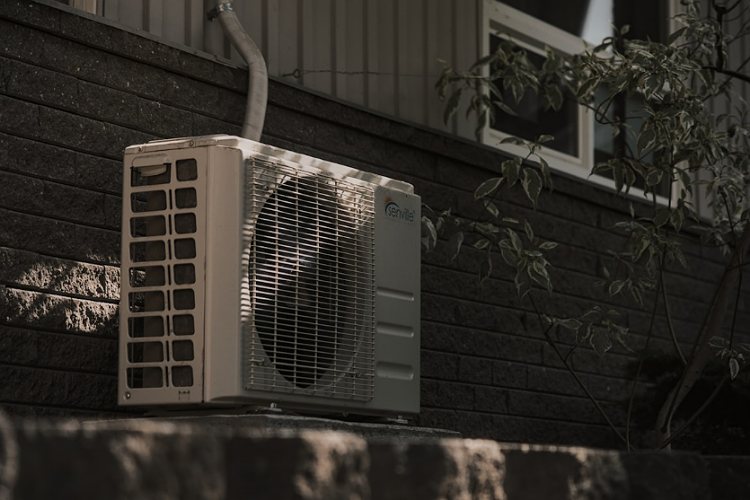
Essentially, every home air conditioner consists of two units—an outdoor unit and an indoor unit. They do not create cold air, but rather transform hot air:
- The indoor unit, located in your room, collects hot air.
- This unit also contains a radiator with freon (yes, the same substance that cools your refrigerator). Freon absorbs heat. It becomes hot itself, while the air cools down and returns to your room.
- The hot freon goes to the outdoor unit of the air conditioner. The compressor compresses it, and the fan takes the heat outside.
- The cold freon goes back to the indoor unit of the air conditioner. The cycle repeats.
By the way, this same information gives us an understanding of the importance of room ventilation. By living with the air conditioner constantly, you are simply circulating the same air throughout your home. However, you’re rather interested in air conditioner risks than health tips.
What Risks and Weak Points Can We Identify?
Every part is at risk of wearing out for different reasons:
- Air conditioners are equipped with filters. They collect dust and dirt from the air to prevent it from entering and clogging up the system. As a result, the filters and radiators themselves quickly accumulate dirt.
- The compressor is the most expensive part and the “heart” of the air conditioner. It can break down due to power surges (unfortunately, this is beyond your control) and a lack of freon.
- Freon can leak along with the condensate or during the leakage process. Monitoring its level is crucial. Otherwise, the air conditioner will not cool the room.
- The condensate tube can become clogged.
- Fans are a simple mechanism and rarely break down. However, if the bearing wears out, expect noise and trouble with hot air discharge.
- Electronics (remote control, display panel, temperature sensor) are subject to wear and tear.
In other words, the main enemies of the air conditioner are dirt and dust. This is also good news, as you can control these aspects.
Air Conditioner Maintenance During the Heat Season: Do This Once a Month
These simple practices don’t require special equipment or expertise. Get into the habit of repeating these processes during cleaning once every 2–4 weeks.
Keep the Filters Clean
Open the cover of the air conditioner in your room, and you will see mesh filters. Carefully remove them and check for dirt and dust. Most likely, it will accumulate even in a week or two, so it is best to wash the filter. Rinse them with warm water without detergents. If dirt sticks to the mesh, use a hair dryer. Then carefully put the dry filters back in place.
Clean the Units
The conditioner units and louvres (the part that lifts when the air conditioner is running) also collect dust. Wipe them down with a cloth without using any cleaning chemicals. If you can wipe down the outer unit, do that as well.
Check the Drainage
It’s simple: see if water is dripping from the external air conditioner pipe. If not, the pipe is clogged and you should call a repairman. Don’t ignore the issues, as water will flow directly into your room.
Examine the Efficiency
Even if it’s not hot outside, try turning on the air conditioner to cool the room to a temperature 8–10 degrees lower than outside. The room should cool down within 15 minutes — if not, you should consult a specialist.
Steps to Take Once in 1–2 Years: Trust Them to a Professional
Some procedures are simply impossible without professional equipment. And yes, hiring a pro is cheaper than purchasing this equipment on your own:
- The deep cleaning of both conditioner units requires professional chemicals and tools;
- Using special equipment, a professional must clean the drainage pipes of dirt;
- Freon refilling (replenishment of what has leaked out) is required once every two years;
- Using special sensors, a specialist tests the electronics and compressor performance. You don’t want a short circuit, do you?
The best timing for such a procedure is the very beginning of the season, which is late Spring in most regions.
Some Extra Tips for Longer Service
Heating up and cooling down are key processes running inside the conditioner. They contribute to the wearing out. Thus, be attentive with temperatures set. Specialists recommend not to exceed the 8–10 ℃ difference with the outside temperature.
If your region experiences frequent power surges, buy a power stabilizer. This is useful not only for your air conditioner, but also for preserving the life of all the appliances in your home.
Finally, use the air conditioner at least once during the off-season. Ideally, set the heating mode for 20–30 minutes. This will prevent the compressor from “stalling.”
 Final Thoughts
So, your main task is to clean the filters regularly. Check and clean the drain pipe and housing as needed. Other aspects include checking the freon level, bearings, and compressor performance. Yes, hiring a professional to clean and check the system is the safest solution. However, you can actually monitor the efficiency and wear and tear of your air conditioner yourself.