When you’ve spent months nurturing a vegetable patch, there’s nothing more frustrating than watching your cabbages fall victim to voracious pests. From tiny aphids to stealthy caterpillars, these uninvited guests can wreak havoc on your crops if left unchecked. But chemical pesticides aren’t the only solution. In fact, with the right approach, you can protect your plants naturally, preserving biodiversity and keeping your garden healthy.
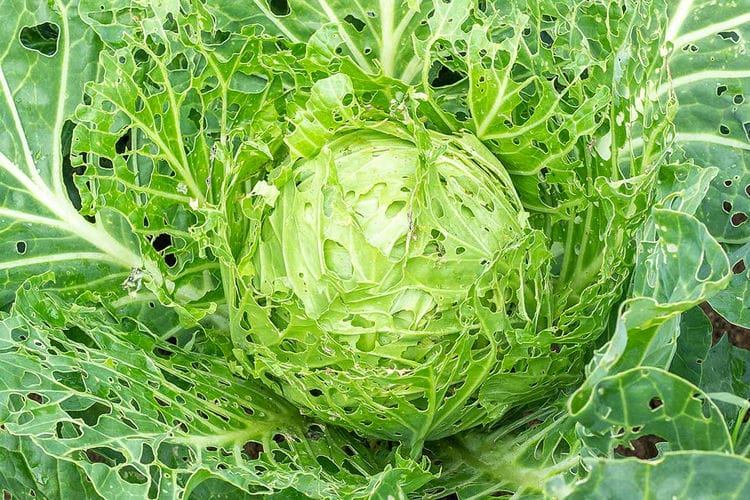
Below, we’ll explore the most common cabbage pests you’re likely to encounter, the damage they cause, and effective biological strategies to control them without resorting to harmful chemicals.
Why biological plant protection matters
Before we dive into the culprits, it’s worth understanding why biological plant protection is gaining ground among gardeners and farmers alike. Traditional chemical pesticides might offer a quick fix, but they can disrupt the ecosystem, harm pollinators, and lead to pesticide resistance over time.
Biological protection, on the other hand, focuses on harnessing nature’s own mechanisms, from beneficial insects to companion plants, to create a balanced environment where pests are naturally kept in check. This approach doesn’t just reduce chemical usage; it also strengthens plant resilience and supports soil health in the long term.
If you’re looking to deepen your knowledge about biological pest control, CABI’s BioProtection Portal, the largest free global resource for biological pest management, is an excellent place to start. It provides up-to-date, science-backed advice on sustainable solutions for tackling plant pests and diseases.
Common cabbage pests and the damage they cause
Cabbage belongs to the Brassica family, a favourite among pests. Knowing how to identify these threats early is the first step to protecting your harvest.
Cabbage white butterfly (Pieris rapae)
One of the most recognisable enemies of brassicas is the cabbage white butterfly. The adult butterflies themselves are harmless, but their larvae, green caterpillars, are highly destructive. They feed on the leaves, leaving irregular holes and sometimes stripping plants completely bare.
Biological control tips:
Introduce natural predators like ladybirds and lacewings, which prey on eggs and young larvae.
Use floating row covers to physically block butterflies from laying eggs.
Encourage birds to visit your garden by providing feeders and perches; many species feed on caterpillars.
Cabbage root fly (Delia radicum)
While less visible, cabbage root fly larvae are among the most damaging pests. These maggots attack the roots of young plants, causing wilting, stunted growth, and often death. Early signs include yellowing leaves and sudden plant collapse.
Biological control tips:
Apply nematodes (microscopic worms) that target root fly larvae in the soil.
Place collars around the base of plants to prevent adult flies from laying eggs near the roots.
Rotate crops annually to disrupt the pest’s life cycle.
Aphids
Aphids may be tiny, but their impact is anything but. These sap-sucking insects cluster on the underside of leaves, weakening plants and spreading diseases. A severe infestation can distort growth and stunt development.
Biological control tips:
Attract natural predators like hoverflies, parasitic wasps, and ladybirds.
Plant companion flowers such as marigolds or nasturtiums to lure aphids away from cabbage.
Spray plants with a mild soap solution to dislodge and kill existing colonies.
Flea beetles
Flea beetles are small, jumping insects that chew small, round holes in leaves, making seedlings especially vulnerable. Severe infestations can reduce photosynthesis and stunt young plants.
Biological control tips:
Mulch around plants to deter beetles and create a barrier.
Encourage ground beetles and predatory nematodes, which prey on flea beetle larvae.
Interplant with trap crops like radishes to attract beetles away from cabbage.
Slugs and snails
Slugs and snails are particularly problematic in damp conditions. They feed on tender leaves, leaving large, irregular holes and silvery trails behind.
Biological control tips:
Introduce natural predators like hedgehogs, frogs, and ground beetles.
Use beer traps or copper tape around raised beds as physical deterrents.
Avoid watering late in the day, as dry conditions at night discourage slug activity.
Strengthening plant defences naturally
Controlling pests isn’t just about reacting when they appear. Prevention is key. Here are some proactive, nature-based strategies to reduce the likelihood of infestations.
Companion planting
Certain plants can naturally repel pests or attract beneficial insects when grown alongside cabbage. For example:
Marigolds release a scent that deters aphids and whiteflies.
Mint and rosemary repel cabbage moths.
Dill and fennel attract parasitic wasps that target caterpillars.
Crop rotation
Many pests overwinter in the soil and reappear the following season. Rotating your crops each year breaks their life cycles and reduces pest pressure. Avoid planting brassicas in the same location for at least three years.
Soil health and biodiversity
A healthy soil ecosystem supports beneficial microorganisms and insects that naturally suppress pests. Regularly adding compost, reducing soil disturbance, and planting a variety of species increases biodiversity, creating an environment where pests struggle to dominate.
Monitoring and early intervention
Early detection is one of the most effective ways to stop pest populations from exploding. Regularly inspect the underside of leaves, stems, and surrounding soil. Look for eggs, larvae, and signs of feeding damage.
Use sticky traps, pheromone lures, and natural deterrents before infestations become severe. By acting quickly, you can often control pests without needing stronger interventions.
For more detailed strategies on managing cabbage pests using sustainable methods, you can also consult CABI’s BioProtection Portal, a trusted international platform dedicated to biological control solutions.
When biological control isn’t enough
While biological solutions should always be the first line of defence, there are times when infestations become too severe. In such cases, integrated pest management (IPM) combines biological methods with minimal, targeted interventions, such as using organic-approved sprays or removing heavily infested plants to protect the rest of the crop.
This approach ensures that chemical use remains a last resort and doesn’t undermine the natural balance of your garden.
Final thoughts: Working with nature, not against it
Protecting your cabbages from pests doesn’t have to mean waging war on nature. By understanding the life cycles of common threats, encouraging natural predators, and building a biodiverse garden, you can create an environment where plants thrive and pests struggle to gain a foothold.
The result? Healthier crops, a more resilient ecosystem, and the satisfaction of knowing you’re working with nature, not against it.