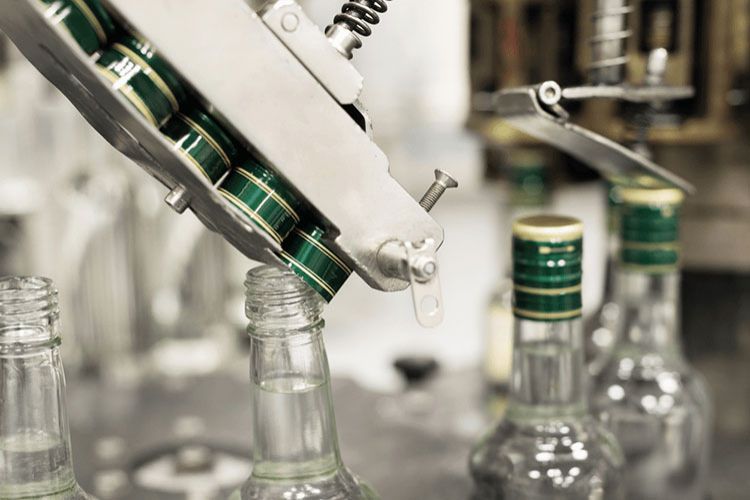
 In the world of bottling, getting the cap just right is crucial. A poorly sealed bottle can compromise product integrity, lead to leaks or contamination, and ultimately affect your bottom line. Whether you’re working in beverage production, pharmaceuticals, or cosmetics, understanding common bottle capping issues — and knowing how to fix them — can keep your production line running smoothly. With reliable bottle capping machines, many of these problems can be avoided, but even the best equipment needs proper setup and maintenance.
Here are some of the most common bottle capping issues and how to troubleshoot them effectively:
Loose Caps
Problem: Caps that don’t tighten enough can lead to leaks, spoilage, or tampering concerns. This often results from inconsistent torque application or cap misalignment.
Troubleshooting Tips:
- Check torque settings on your capping machine to ensure they match the cap and bottle specifications.
- Inspect the chuck or capping head for wear or slippage.
- Make sure the cap is properly centred before tightening.
- Use cap guides or sorters to help with consistent placement.
Over-Tightened Caps
Problem: Caps that are screwed on too tightly can damage the bottle or cap threads, cause product breakage during transit, or make it difficult for the end-user to open the bottle.
Troubleshooting Tips:
- Adjust the torque limiter or clutch settings on your machine.
- Switch to torque-sensitive capping heads if handling delicate containers.
- Conduct regular torque tests using a torque analyser to stay within tolerance.
Cross-Threading
Problem: Cross-threading occurs when the cap doesn’t align with the bottle neck properly, causing it to tighten at an angle. This can damage the thread and compromise the seal.
Troubleshooting Tips:
- Ensure bottles and caps are properly aligned before the cap is applied.
- Use a cap positioning device to improve alignment accuracy.
- Replace worn-out capping heads or misaligned guide rails.
Cap Skipping or Spinning
Problem: Sometimes the cap spins on the bottle without engaging the threads properly. This often happens with slippery caps or when the capping head loses grip.
Troubleshooting Tips:
- Check the capping chuck liner for wear and replace if it has become smooth or damaged.
- Verify that the cap size and type are compatible with your bottle capping machine.
- Adjust the downward pressure or cap engagement timing during application.
Inconsistent Capping Speeds
Problem: A fluctuating capping speed can result in uneven torque application, leading to a mix of loose and over-tightened caps.
Troubleshooting Tips:
- Inspect the machine’s drive motor and control system for irregular performance.
- Make sure your conveyor speed is consistent with the capping head speed.
- Perform regular preventative maintenance to avoid motor or sensor faults.
Damaged Caps or Bottles
Problem: Excess pressure or misalignment can cause cracked caps or broken bottle necks.
Troubleshooting Tips:
- Use a capper with adjustable pressure control, especially for fragile containers.
- Replace any worn or damaged components in the capper head.
- Ensure bottle spacing on the conveyor line allows enough time for proper capping.
Addressing bottle capping issues promptly is essential for maintaining production quality and operational efficiency
With routine maintenance, staff training, and the right machinery, you can minimize downtime and maximize product consistency. Whether you’re running a small operation or a high-speed production line, investing in quality equipment and troubleshooting proactively will pay dividends in the long run.