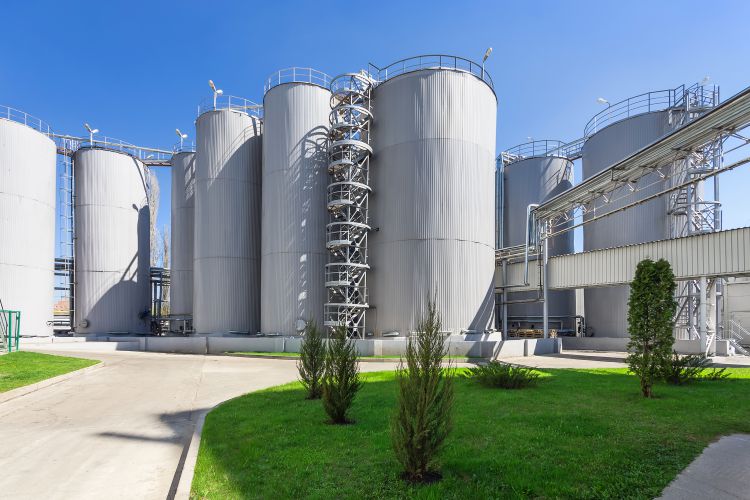
 In many industries, tanks are an essential part of daily operation and a common sight in the workplace. Using a float switch and water level sensor allows you to carefully monitor your tanks during business hours and is made aware of any needs or emergencies. Without such preventative measures, you run the risk of damaging your tanks, damaging products, and in extreme cases, even injury. Float switches and water level sensors can be used in a variety of different businesses and different circumstances to meet your needs. Custom models and designs are available to fit highly specific situations or industries.
While the term tank is rather broad, many types of tanks can be used in industry and fitted with monitoring tools. Here are some of the different types of tanks, types of roofs available, and their uses.
Tank Types
Tanks come in a variety of shapes and sizes, including cylinder tanks, vertical tanks, flat bottom tanks, and cone bottom tanks just to name a few. Tanks also come in closed and open-top varieties. Companies that require tanks range from chemical refineries to companies that make food. Liquid properties such as flammability have to be considered in addition to overall usage needs and space. Tanks can vary in shape and importantly, roof/top type. Here are some such examples.
- Sphere Tank: a sphere tank is different from the traditional tank design not just in look but also in use. Sphere tanks are useful if you deal in materials that require a high amount of storage pressure. Sphere tanks provide more pressure than a typical tank can provide.
- Bullet Tank: a bullet tank is one of the smaller options for tank usage. They are useful if you have lower storage needs or need a type of tank that’s easier to transport and maintain. Bullet tanks also offer higher pressure storage due to being closed.
- Floating Roof Tank: the floating roof is highly protective offering external and internal floating roofs to protect the liquids in the tank. Floating roof tanks have an internal roof that rises and falls with liquid levels ensuring your materials are properly covered. This is useful if your materials are flammable.
- Fixed Roof Tank: a tank with a fixed roof has a single fixed roof covering it to protect the materials contained within. Fixed roof tanks work well with liquids that have a high flashpoint. Fixed roof tanks are also varied with cone roofs, domes, and umbrella roofs being just some of the options.
- Open-Top Tank: an open-top tank is a tank with no top or tank coverage. These types of tanks can be quite easy to use and modify. If you use liquids that are not volatile or dangerous when exposed to air an open-top tank may fit your needs.
The Importance of Monitoring
No matter the type of tank your business needs, you have to carefully monitor them. A float switch can serve many useful purposes, such as trigging pumps when needed (for filling or draining), activating alarms, and other emergency failsafe measures. Water level sensors such as MicroSensor level transmitters serve as highly important sources of information. The level of sensors can vary depending on the need. Some sensors are rather easy to read, letting you know if a tank is full, half-full, or empty. Other options can be much more precise, offering real-time measurements calibrated with very precise figures.
Final Thoughts
Businesses that use tanks run from smaller local businesses to large multinational conglomerates. No matter your size, need, or scope there are affordable and well-made solutions available to fit your needs. Even if your situation is highly specific, custom switches and level measuring tools exist which can help you make your business safer and also streamline production.