The year 2026 does not introduce radically new technologies. What it brings is something harder. Maturity. Ideas that once lived in slide decks are now part of daily engineering work. Optional tools are quietly becoming defaults. For CTOs and tech leaders, the real challenge is no longer adoption. It is discernment. Knowing what to standardize, what to constrain, and what to leave deliberately unfinished.
Below are seven trends shaping how software is actually built and led in 2026.
 1. AI-assisted development becomes a default, not an advantage
AI is no longer a differentiator. It is infrastructure. Code generation, test suggestions, refactoring hints, and documentation drafts. These are now baseline expectations in modern teams. The advantage does not come from using AI. It comes from how teams govern it.
“AI accelerates clarity or chaos, depending on the discipline of the team using it,” says Trang Mai, AI Expert at PowerGate Software. “Teams with strong engineering fundamentals gain speed and consistency. Teams without them often accumulate invisible technical debt much faster than before.”
The real risks are subtle. Loss of code ownership. Overreliance on generated logic that no one fully understands. Security assumptions are baked into prompts rather than design reviews. CTOs in 2026 are learning that AI needs rules, not enthusiasm.
2. Data-centric engineering replaces model obsession
For years, the focus was on better models. Bigger models. Smarter models. In practice, most failures still come from poor data quality, unstable pipelines, and unclear data ownership. In 2026, leading teams treat data as a product. Versioned, observable, and governed across environments.
This shift changes the org structure, too. ML Ops and Data Ops converge. Engineers spend less time tuning algorithms and more time ensuring data reliability. It is less glamorous work. It is also where outcomes are decided.
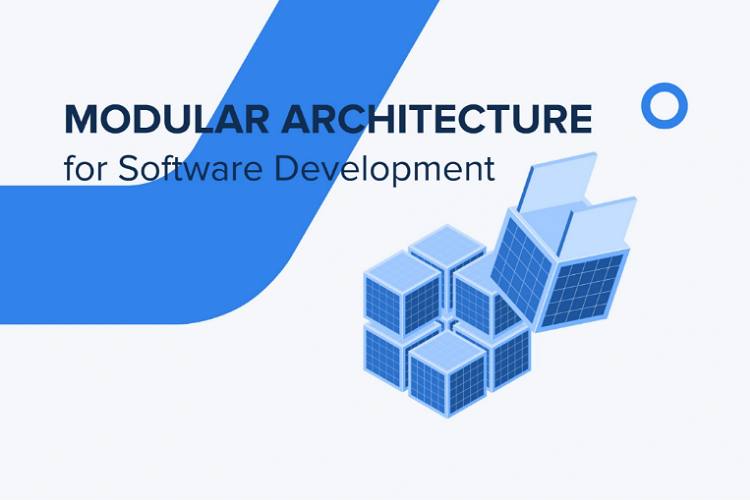
3. Modular architectures quietly replace overbuilt microservices
Microservices are not disappearing. Extreme implementations are. Many teams are rediscovering the cost of fragmentation. Too many services. Too many dependencies. Too much cognitive load. The result is slower delivery, not faster.
In response, modular monoliths and pragmatic domain-driven design are gaining ground. Clear boundaries. Fewer deployments. Easier debugging. CTOs are learning that architecture should reduce thinking overhead, not showcase theoretical purity.
 4. Security becomes a leadership responsibility
Security has moved left. But more importantly, it has moved up. Threat modeling now happens at the architecture table, not after deployment. Secure coding practices are embedded into pipelines. Compliance requirements influence design decisions early.
In 2026, security incidents are framed as business failures, not technical surprises. Tech leaders are expected to understand risk tradeoffs, not just approve tools. This requires a different kind of technical leadership. One who speaks fluently to both engineers and executives.
5. Low-code matures inside the enterprise
Low-code platforms no longer promise to replace developers. That promise quietly failed. Instead, they are finding a stable role inside enterprises. Internal dashboards. Workflow automation. Back office tools that never justified full custom builds.
Used well, low code reduces backlog pressure and frees senior engineers for complex work. Used poorly, it creates shadow systems no one owns. CTOs who succeed here define clear boundaries early. What belongs in low code? What never should.
6. Sustainable software shifts from values to costs
Green software is no longer discussed only in ethics panels. Cloud bills, energy consumption, and performance inefficiencies are forcing conversations about sustainability into budget meetings. Efficient software is cheaper to run. Often significantly cheaper.
Teams begin measuring resource usage at the application level. Not for marketing. For survival. In 2026, writing efficient code is once again a competitive advantage, even if no one puts it on a slide.
 7. Engineering teams reorganize around outcomes
Titles matter less. Ownership matters more. Product teams increasingly own features end-to-end, from design to operation. Metrics focus on impact, not output. Velocity without outcomes no longer convinces anyone.
This changes how performance is evaluated. How teams are staffed. How leaders intervene. CTOs are spending more time shaping team boundaries than choosing frameworks.
What tech leaders should take from this
The common thread across these trends is restraint. Less experimentation for its own sake. More intentional choices. More systems are designed to be understood by humans, not just machines.
Technology decisions in 2026 reflect leadership maturity. Not how quickly trends are adopted, but how thoughtfully they are applied. Strong teams are not chasing what is new. They are asking harder questions about what is necessary. That, more than any tool or framework, is what will separate resilient engineering organizations from the rest.
 Schedule a free consultation with PowerGate Software’s professionals if you are organizing your upcoming software development projects so they can stress-test your current architecture before changing it becomes costly.
PowerGate Software – Leading software product studio
- Website: http://powergatesoftware.com/
- Services: https://powergatesoftware.com/services/
- Email: contact@powergatesoftware.com