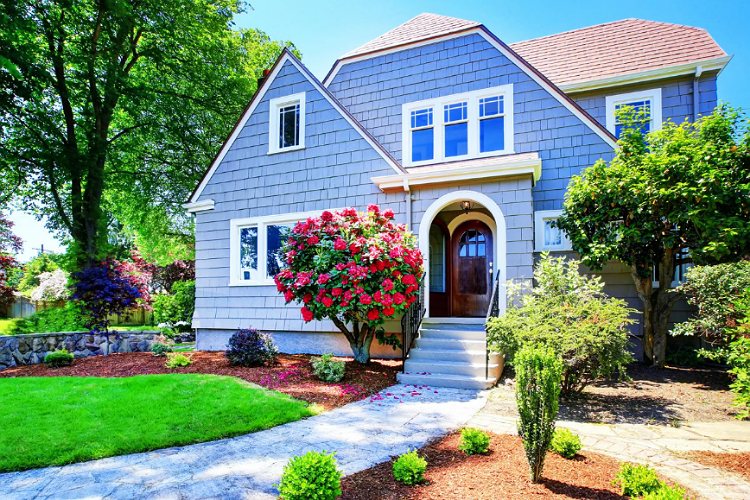
 When it comes to home insurance, many homeowners don’t realize how much curb appeal can influence policy costs. Insurance companies carefully evaluate the condition of a home’s exterior, landscaping, and drainage systems to determine potential risks. A well-maintained property not only improves visual appeal but also reflects responsible ownership, which can positively impact how insurers assess your home. Small improvements in exterior upkeep can signal to insurers that you actively minimize risks, potentially affecting your premium.
Exterior Maintenance Matters
Insurance providers pay close attention to the overall maintenance of a home’s exterior. Signs of neglect—such as peeling paint, damaged siding, broken fences, or cluttered yards—can raise the likelihood of claims. Regular maintenance, like repainting, repairing siding, keeping gutters clear, and trimming fences, demonstrates diligence and reduces perceived risks. For homeowners seeking professional assistance, professional roof cleaning services can help maintain the roof by removing debris, moss, and algae, which supports overall exterior maintenance. While roof cleaning is just one part of home upkeep, it contributes to a well-maintained appearance that insurers notice.
Roof Age and Condition
The condition and age of your roof are significant factors in insurance evaluations. Older roofs or those with visible damage are more prone to leaks, storm damage, and other hazards, which increases the risk of claims. Proactively maintaining the roof, conducting inspections, and addressing minor repairs promptly demonstrate responsible homeownership. These steps not only prolong the roof’s life but also signal to insurers that potential risks are being managed, which can be beneficial when pricing your insurance.
Landscaping and Drainage
Insurance companies also assess landscaping and drainage because poor conditions can lead to water damage or structural problems. Proper grading, well-maintained gardens, and clear drainage systems help prevent water accumulation near the foundation. Overgrown trees, blocked drains, or unstable landscaping can elevate risk, potentially affecting premiums. Regular lawn care, pruning trees away from the house, and ensuring proper water flow are simple preventive measures that reduce hazards and support a safer property overall.
The Bigger Picture
Curb appeal is more than just aesthetics—it reflects the care and responsibility of the homeowner. Maintaining a solid roof, tidy landscaping, and proper drainage signals lower risk to insurers. Proactive upkeep shows that the home is less likely to face preventable damage, which can have a positive effect on insurance pricing. Even small, consistent improvements in exterior maintenance can communicate reliability and reduce long-term costs.
Maintaining your property doesn’t have to be overwhelming. Simple routines, like checking the roof, clearing gutters, and monitoring drainage systems, can significantly reduce risks. Insurance companies tend to reward responsible maintenance, and these small steps can influence premiums over time.
Conclusion
Curb appeal and proper home maintenance play a tangible role in insurance pricing. By caring for your home’s exterior, addressing roof condition, and managing landscaping and drainage, you reduce potential hazards and signal reliability to insurers. The effort you put into your property today can pay off in lower insurance costs tomorrow, while keeping your home visually appealing and structurally sound.