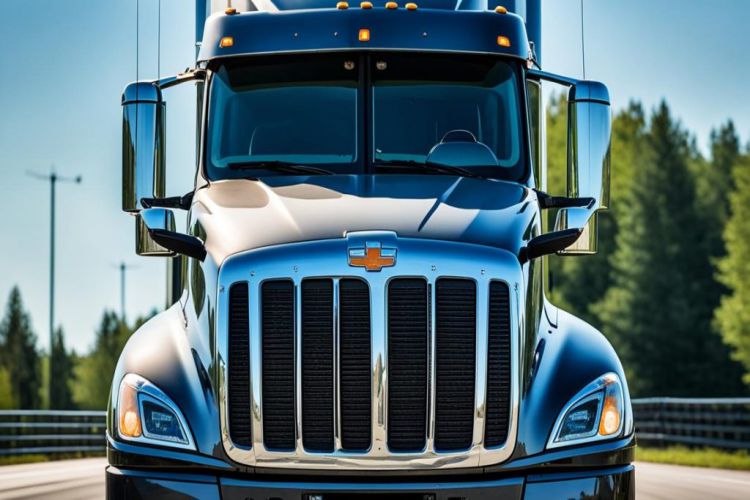
 Most people never imagine themselves behind the wheel of a big rig, let alone buying one. However, these vehicles are a necessity today as they power the nation’s economy. When a person is interested in purchasing one of these vehicles, they must know what to look for.
Popular Brands
When buying a big rig, people will find several brands to choose from. Freightliner accounts for a large part of the industry, but Peterbilt is also very popular. Kenworth and Navistar International account for a portion of the market, and many individuals today are choosing to invest in a Volvo big rig.
Important Facts
People often assume all big rigs have 18 wheels. However, some tractor-trailers only have ten, while others have dozens more. The reason multiple tires are needed is that this vehicle can easily weigh up to 80,000 pounds when loaded. The typical big rig is 13 and 1/2 ft High, 70 ft long, and has five axles. Nevertheless, some models are significantly larger, particularly when carrying oversize loads.
Big rigs have high turning radii and need more space to come to a complete stop. Most models today have engine devices that limit the vehicle’s speed to conserve fuel. However, owner operators may turn these devices off or remove them.
Engine Options
Big rigs are equipped with diesel engines because they are often subjected to extreme conditions. Gasoline engines could not handle the load these vehicles must carry. In fact, a diesel truck engine may last a million miles or more. When the engine quits, it may be rebuilt for extended service life. The gas tanks on these vehicles are significantly larger than those found in passenger cars. The truck may have one gas tank or dual tanks that hold up to 300 gallons of diesel fuel, allowing the vehicle to travel approximately 1,500 miles before it needs to stop for fuel.
Power
The power output of a big rig depends on the vehicle’s size, its intended use, and its gross vehicle weight rating. This engine is paired with a transmission that typically has nine or ten forward gears. Many owner-operators in heavy haulers opt to upgrade their transmissions to those with 13 or 18 speeds, particularly if the truck is required to transport heavy loads over rugged terrain, such as mountainous areas.
Weight Limits
Tractor-trailers in America cannot carry more than 80,000 pounds when engaging in interstate commerce. However, if the truck is carrying an oversized load, it may be permitted to have a higher gross weight with a special permit. Escorts are frequently needed to accompany these trucks.
Choosing a Big Rig
When purchasing a big rig, an individual should decide whether to buy new or used. New models are typically sold through an official manufacturer’s dealership. When buying used, an individual will need to visit used truck lots or work with private sellers. Owner-operators should be considered when purchasing a big rig, as they take care of their vehicles to protect their resale value.
Individuals may finance or lease their new big rig, but many recommend buying rather than leasing. Anyone who wishes to lease should have an attorney review the agreement before signing the document. Schemes are typical in this industry.
Consider other details when making this purchase. This vehicle must be insured, and all operators must have the correct driver’s license. The more a person knows when making this purchase, the easier it will be to find the proper big rig for their needs.