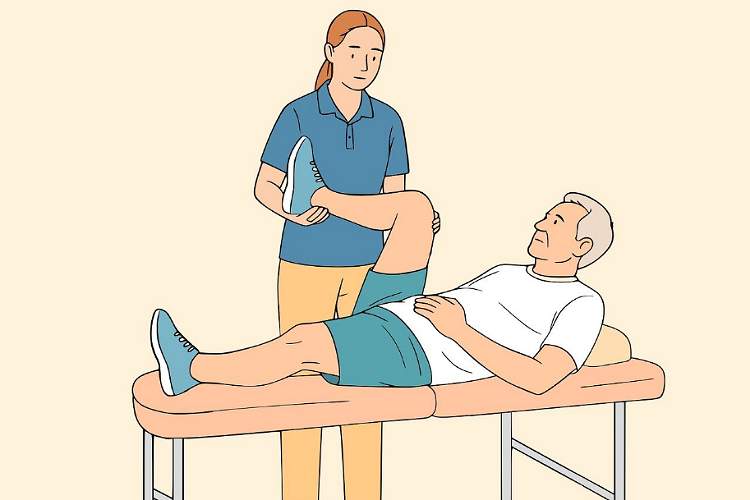
 Have you ever struggled to attend physiotherapy sessions due to mobility issues, busy schedules, or long travel distances? Do you wish rehabilitation could come to you, rather than the other way around? Home-based physiotherapy, also known as mobile physiotherapy, is transforming how patients recover from injuries, surgeries, and chronic conditions by bringing care directly to their doorsteps.
The Emergence of Mobile Physiotherapy
Traditionally, physiotherapy required patients to visit clinics or hospitals multiple times a week. While effective, this model posed several challenges: transportation difficulties, scheduling conflicts, long wait times, and the discomfort of traveling for those with limited mobility. Mobile physiotherapy emerged as a solution to these barriers, allowing licensed physiotherapists to provide care in the comfort and convenience of a patient’s home.
This approach gained momentum during the COVID-19 pandemic, when remote care became not just a convenience but a necessity. Today, mobile physiotherapy continues to expand as patients and healthcare providers recognize its benefits, both practical and therapeutic.
Benefits of Home-Based Care
Home-based physiotherapy offers several advantages over traditional clinic visits. First and foremost, it increases accessibility. For elderly patients, those with disabilities, or individuals living in remote areas, traveling to a clinic can be cumbersome or even impossible. Mobile physiotherapy eliminates this hurdle, ensuring that care is equitable and inclusive.
Moreover, recovery in a familiar environment can improve patient outcomes. Research shows that patients are more likely to adhere to rehabilitation programs when they feel comfortable and supported. Being at home reduces stress and anxiety, which can positively impact both physical and mental recovery. Patients can integrate exercises into their daily routines more naturally, fostering consistent progress.
Another significant advantage is personalized care. In a clinic, physiotherapists often follow standard protocols due to time constraints and the need to see multiple patients. Home visits, however, allow therapists to tailor sessions specifically to a patient’s living environment, mobility limitations, and personal goals. Specialized mobile physiotherapy programs can incorporate household items or unique exercises suited to a patient’s home, enhancing both safety and effectiveness.
The Role of Technology
Technology plays a pivotal role in enhancing mobile physiotherapy. Telehealth platforms, mobile apps, and wearable devices enable physiotherapists to monitor progress, provide real-time guidance, and adjust treatment plans remotely. Patients can track their exercises, log pain levels, and receive reminders, ensuring adherence and accountability.
Wearable devices that measure heart rate, range of motion, and activity levels allow therapists to gather precise data without requiring in-clinic visits. This data-driven approach enables personalized rehabilitation plans and helps therapists make evidence-based adjustments to optimize recovery outcomes.
Common Conditions Treated Through Mobile Physiotherapy
Mobile physiotherapy can address a wide range of conditions. Orthopedic injuries, such as fractures, sprains, or post-surgical rehabilitation (e.g., knee or hip replacements), are commonly treated at home. Patients recovering from strokes or neurological conditions also benefit from tailored home-based programs that focus on regaining mobility, balance, and coordination.
Chronic conditions like arthritis, back pain, or respiratory disorders can be managed effectively through regular home visits, which encourage consistency and long-term lifestyle adaptations. Even preventive care and fitness-oriented programs can be integrated into mobile physiotherapy services, promoting overall health and well-being.
Enhancing Patient Engagement and Motivation
One of the most significant advantages of mobile physiotherapy is the boost it provides to patient engagement and motivation. Recovery can be a slow and frustrating process, especially when patients feel isolated or disconnected from their healthcare providers. Home-based physiotherapy fosters a closer, more personal relationship between therapist and patient, encouraging active participation in the rehabilitation journey.
Therapists can provide immediate feedback, celebrate small victories, and adjust exercises in real-time. This dynamic interaction not only enhances the effectiveness of treatment but also empowers patients to take ownership of their recovery, increasing confidence and satisfaction.
Challenges and Considerations
While mobile physiotherapy offers numerous benefits, it is not without challenges. Scheduling and travel logistics for therapists can be demanding, particularly in rural or densely populated areas. Insurance coverage for home-based care varies by region, which may affect affordability and accessibility for some patients.
Additionally, ensuring proper equipment and space for exercises can be a limitation. Unlike clinics equipped with specialized machines, home-based therapy often relies on minimal equipment or household items. However, skilled physiotherapists can creatively adapt exercises to the available environment, ensuring effective rehabilitation despite these constraints.
The Future of Rehabilitation
The growing popularity of mobile physiotherapy signals a broader shift toward patient-centered, flexible healthcare models. As technology continues to advance, home-based care will become even more integrated, with virtual monitoring, AI-driven progress tracking, and smart home adaptations enhancing the recovery experience.
Furthermore, mobile physiotherapy aligns with the broader trend of value-based care, emphasizing outcomes and patient satisfaction over volume of services. By reducing barriers, improving adherence, and promoting holistic recovery, home-based physiotherapy represents a sustainable and effective approach to modern rehabilitation.
Conclusion
Mobile physiotherapy is transforming the landscape of rehabilitation by bringing care directly to patients’ homes. With benefits ranging from increased accessibility and personalized treatment to enhanced engagement and technology integration, this approach is redefining what recovery looks like in the 21st century.
For patients, it means convenience, comfort, and a higher likelihood of achieving their rehabilitation goals. For healthcare systems, it represents a shift toward efficiency, effectiveness, and patient-centered care. As mobile physiotherapy continues to evolve, it is poised to become an essential component of comprehensive healthcare, ensuring that recovery is not confined to a clinic—but is possible wherever the patient calls home.