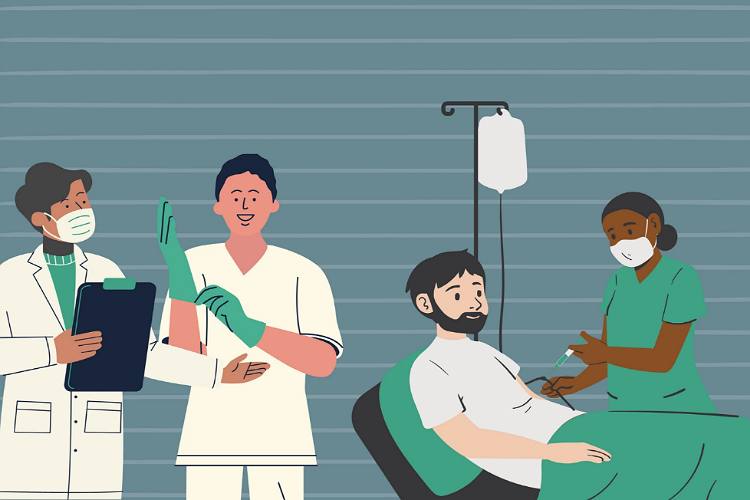
 The foundation of medical treatment relies on medical professionals building trust with their patients through their skills while dedicating themselves to their patients’ health. When someone breaches their duty, which results in harm to another person, the situation becomes distressing because it creates both physical, emotional and financial harm. Medical negligence cases are complex, and careful thought and action are necessary. When you think you or your loved one has been a victim of medical negligence, there are several steps you can take.
Recognise the Potential Impact of Medical Negligence
Medical negligence can have various severe outcomes. The patient may suffer from deteriorating health conditions, extended recovery periods, mental trauma, loss of income, and increased medical costs. Medical negligence during pregnancy and delivery can also cause permanent injuries to the child. Apart from the physical damage, the emotional toll on the parents and the child as they have to cope with the unexpected challenges cannot be ignored.
The assessment requires understanding which elements will create the most significant consequences. The negligence-related complications will develop through a gradual process because they will not show immediate effects. The process needs to document all medical information through diagnostic results, treatment methods, prescription details and doctor appointments.
Gather Evidence and Make a Claim
The path to compensation requires you to complete multiple preparations before starting your claim. First and foremost, it is important to gather all medical records, test results, referral slips, and discharge summaries. All work-related documents, medical receipts and invoices need to be kept, and any communication with healthcare providers needs to be documented. Testimony from witnesses, such as family or caregivers, can also help provide background information.
In order to make a claim, a letter will be sent to the medical professionals involved in the case, as represented by a lawyer, stating the accusations and the damages that have been done. This process will initiate the claim process, and it may proceed to mediation or a court trial.
Understand the Legal Definition in Your Area
Before you take any action, it is essential to be familiar with the way the law defines negligence. The law differs from one country and state to another, but the overall idea is that you have to prove that the medical negligence resulted from the failure of the medical practitioner to perform their duty of care, which would have been different if it were handled by another medical expert.
If you are seeking clarity, it can help to learn more about medical negligence in Australia and how courts assess liability, duty of care, and causation. The law requires you to prove that the medical negligence resulted from the failure of the medical practitioner to perform their duty and that the failure resulted directly from the negligence.
Seek Independent Medical and Legal Advice
The process of seeking independent advice becomes necessary after you establish your suspicions of negligence. A medical practitioner who provides a second opinion will explain to you whether you received substandard care while assessing your actual degree of injury.
It is equally important for you to take legal advice. A solicitor who specialises in medical negligence cases can assess your evidence, explain what you can expect from a case, and guide you on what you can do. Seeking early advice is essential for you because it allows you to keep key evidence and avoid breaching limitation periods, which set a deadline for filing a case.
Focus on Recovery and Support
The process of resolving medical negligence claims requires both legal proceedings and other methods of resolution. People should always prioritise their health and mental well-being above all other things. The process of dealing with frustration and anxiety becomes easier when people seek guidance from counsellors and support networks. Professional guidance should help family members adjust to their new responsibilities, so they need to learn how to handle them effectively.
People who need ongoing medical treatment or must change their daily routines should develop a budgeting system. The process of establishing a stable life situation requires people to connect with rehabilitation centres, work facilities, and community services. People need to gain knowledge and maintain a balanced view while they reach out for help from reliable individuals in order to handle this situation successfully.
In summary, the severe and long-lasting effects of medical negligence require people to take controlled and methodical steps for their recovery. Medical cases which involve complex relationships between medical and legal systems require both knowledge and support as vital resources for effective management.