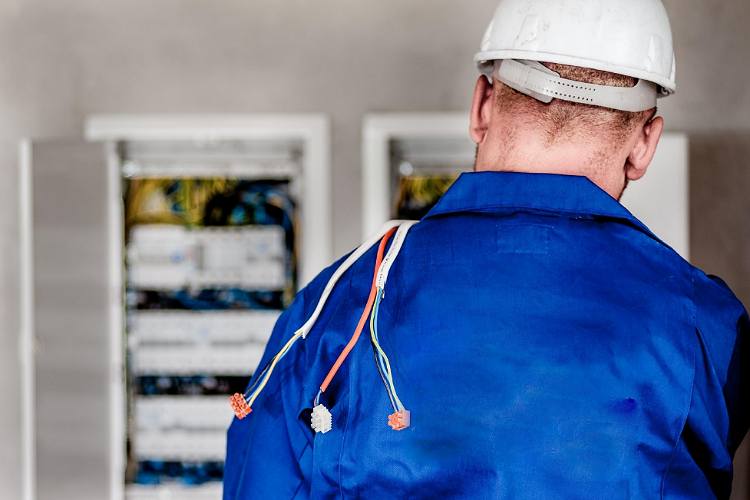
 A safe electrical system is essential for any workplace. Faulty wiring, overloaded circuits, and improper use of electrical equipment are major contributors to workplace accidents, fires, and equipment damage. Ensuring the safety of employees, visitors, and property requires a proactive approach that combines regular maintenance, adherence to standards, and employee awareness. Here’s a comprehensive guide on how to maintain a safe electrical system in the workplace.
1. Conduct Regular Electrical Inspections
The foundation of electrical safety is regular inspections. Employers should schedule routine checks of all electrical installations, including wiring, outlets, circuit breakers, and equipment. These inspections can identify potential hazards such as frayed wires, corroded connections, or overloaded circuits before they lead to serious accidents. Hiring an to perform these inspections ensures that the system is assessed by a professional who can detect subtle issues that untrained personnel might miss.
Professional electricians should carry out comprehensive inspections at least once a year. For larger workplaces with extensive electrical systems, inspections may need to be more frequent. In addition, employees should report any unusual electrical behavior, such as flickering lights, unusual noises, or sparks, immediately.
2. Ensure Compliance with Electrical Codes and Standards
Compliance with local and national electrical codes is crucial. Electrical systems must adhere to regulations set by authorities such as the National Electrical Code (NEC) in the United States or equivalent standards in other countries. These codes dictate proper wiring methods, grounding, circuit protection, and installation practices.
By following these standards, workplaces reduce the risk of electrical fires, shocks, and system failures. Additionally, regular audits by certified inspectors can verify compliance, providing both safety and legal protection for the organization.
3. Implement Proper Grounding and Circuit Protection
Grounding is a critical safety measure. Properly grounded electrical systems ensure that any stray electrical current is safely directed into the ground, preventing electrical shock. Workplaces must ensure that all outlets, equipment, and electrical panels are correctly grounded.
Circuit protection devices such as fuses and circuit breakers are equally important. These devices automatically shut off electricity in the event of overloads or short circuits, protecting both personnel and equipment. Regular testing of circuit breakers and replacing blown fuses promptly is essential to maintain effective protection.
4. Maintain Electrical Equipment and Tools
Electrical tools and machinery should be maintained according to manufacturer guidelines. Regularly inspect power cords, plugs, and connectors for wear and tear. Damaged equipment should be repaired or replaced immediately. Using damaged equipment increases the risk of electrical shock and can also lead to equipment malfunction or fire.
For workplaces with specialized equipment, keeping a maintenance log can help track inspections, repairs, and replacements. This record ensures accountability and provides a clear overview of the workplace’s electrical health.
5. Avoid Overloading Outlets and Circuits
Overloading circuits is a common cause of electrical fires in workplaces. Each outlet and circuit has a specific capacity, and exceeding this can lead to overheating. Employees should avoid plugging too many devices into a single outlet and use power strips with built-in surge protection when necessary.
For workplaces with high electrical demands, it may be necessary to upgrade the electrical system. Adding additional circuits or dedicated lines for heavy machinery ensures that the system can handle the load safely.
6. Train Employees on Electrical Safety
Even the most secure electrical system can become hazardous if employees are unaware of safe practices. Regular training sessions on electrical safety should cover the following topics:
- How to recognize electrical hazards
- Proper use of electrical equipment
- Procedures for reporting electrical issues
- Emergency response to electrical incidents
Encouraging a culture of safety ensures that employees are vigilant and proactive in maintaining a safe electrical environment. Displaying safety signage and reminders around the workplace reinforces these practices.
7. Use Personal Protective Equipment (PPE)
For workplaces where employees work directly with electrical systems, personal protective equipment (PPE) is essential. PPE can include insulated gloves, safety glasses, protective footwear, and flame-resistant clothing. These items provide a barrier against electrical shock, burns, and arc flash injuries.
Employers should ensure that PPE is readily available, properly maintained, and that employees are trained in its correct usage. Regular inspections of PPE help ensure that it remains effective over time.
8. Keep Work Areas Dry and Clean
Water and electricity are a dangerous combination. Keeping electrical panels, outlets, and cords away from moisture reduces the risk of electrical shock. Workplaces should ensure that floors are dry, equipment is kept off wet surfaces, and leaks are promptly addressed.
In addition, cluttered work areas can damage electrical wiring and equipment. Maintaining a clean, organized workspace reduces the risk of accidents and allows for easy access to electrical systems in emergencies.
9. Implement Emergency Preparedness
Despite all precautions, electrical accidents can still occur. Workplaces must have a clear emergency response plan. This plan should include:
- Procedures for shutting down electrical systems safely
- First-aid measures for electrical shock victims
- Fire extinguisher locations and training
- Contact information for emergency services
Regular drills ensure that employees know how to respond quickly and safely, minimizing injury and damage.
10. Invest in Modern Electrical Safety Technology
Advances in electrical safety technology offer additional layers of protection. Devices such as ground-fault circuit interrupters (GFCIs), arc-fault circuit interrupters (AFCIs), and surge protectors can prevent shocks and electrical fires. Smart electrical panels can monitor load distribution and alert management to potential issues before they escalate.
Investing in modern technology may have upfront costs, but it significantly reduces long-term risk and ensures a safer work environment.
Conclusion
Maintaining a safe electrical system in the workplace is a continuous effort that combines regular inspections, proper maintenance, employee training, and adherence to regulations. By taking proactive steps, businesses can protect their employees, reduce downtime, prevent costly repairs, and create a secure work environment. Electrical safety is not just a regulatory requirement—it’s a crucial part of workplace responsibility. Implementing these practices ensures that electricity, one of the most powerful tools in any workplace, remains a safe and reliable resource.