Choosing a preschool is one of the most important early decisions parents make for their child. This stage of education plays a vital role in shaping how children learn, interact, and build emotional awareness. While location may be convenient, it should never be the only deciding factor. Understanding how to choose a preschool means carefully evaluating curriculum quality, teaching methods, and the overall learning environment.
Compared to public education options, private preschools often offer smaller class sizes, enriched curricula, and more personalized learning environments for young children. These advantages can make a meaningful difference during the early years of development. When children are building foundational academic, social and emotional skills.
Pacific Academy Costa Mesa (PACM), a respected private school in Orange County, is a strong example of how a well-rounded preschool program can support both academic readiness and holistic growth.
1. Why Early Childhood Education Matters
Preschool provides the foundation for essential skills such as communication, problem-solving, and collaboration. A high-quality early learning environment also nurtures confidence, curiosity, and a positive attitude toward school, all of which support smoother transitions into later grades.
When learning how to choose a preschool, many families explore options such as Montessori Preschool programs that emphasize independence, creativity, and hands-on learning during early childhood. Other parents may seek bilingual or immersion programs that introduce global perspectives from a young age.
Pacific Academy Costa Mesa nurtures each child’s potential by combining age-appropriate academic structure with opportunities for creativity and exploration. This balance prepares students well for future learning and supports a smooth progression through the school’s PreK-12 pathway.
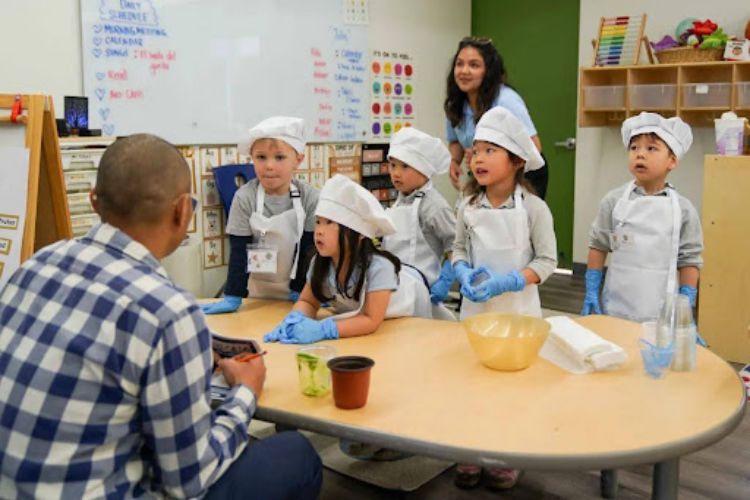 Early education lays the foundation for children’s cognitive and social growth.
2. Key Factors to Consider When Choosing a Preschool
2.1 Curriculum and Learning Approach
A preschool’s curriculum defines how children experience learning every day. Many modern schools now adopt Project-Based Learning, an approach that encourages children to explore real-world topics through hands-on activities. This method supports critical thinking, creativity, and collaboration while keeping students actively engaged.
Pacific Academy Costa Mesa embeds Project-Based Learning within a rigorous academic curriculum, allowing students to apply concepts through authentic tasks rather than rote memorization. Trilingual immersion in Mandarin, Spanish, and English, with dedicated Chinese immersion, expands linguistic and cultural competencies, while Social-Emotional Learning builds confidence and interpersonal skills. A range of after-school programs further enriches students’ experiences and supports well-rounded development.
2.2 Teacher Quality and Class Size
Qualified teachers and small class sizes are essential in early childhood education. A low student-teacher ratio allows educators to understand each child’s learning style and provide personalized guidance.
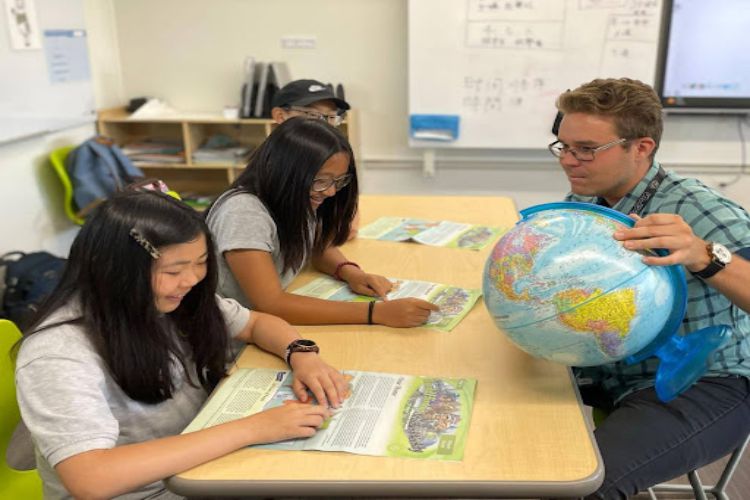 Personalized learning enables children to grow at their own pace, building essential skills for future success.
At PACM, small class sizes during the school day as well as during the after-school program ensure children receive individual attention in a supportive environment, helping them develop confidence, independence, and strong foundational skills.
2.3 Trilingual Preschool and Language Development
Early exposure to multiple languages offers long-term cognitive and communication benefits. A Trilingual Preschool environment helps children develop stronger listening skills, cultural awareness, and adaptability.
Pacific Academy Costa Mesa offers an innovative Trilingual Curriculum that includes Chinese immersion and Spanish enrichment. This multilingual approach supports global readiness and prepares students to succeed in a multicultural world.
2.4 Safety, Environment, and Social-Emotional Learning
Safety is a non-negotiable factor when selecting a preschool. Families should look for secure campuses, clean facilities, and well-designed classrooms that support both learning and play.
Equally important is Social-Emotional Learning (SEL). Programs that integrate SEL help children manage emotions, build empathy, and develop positive relationships. PACM incorporates SEL into daily activities, encouraging teamwork, communication, and emotional resilience from an early age.
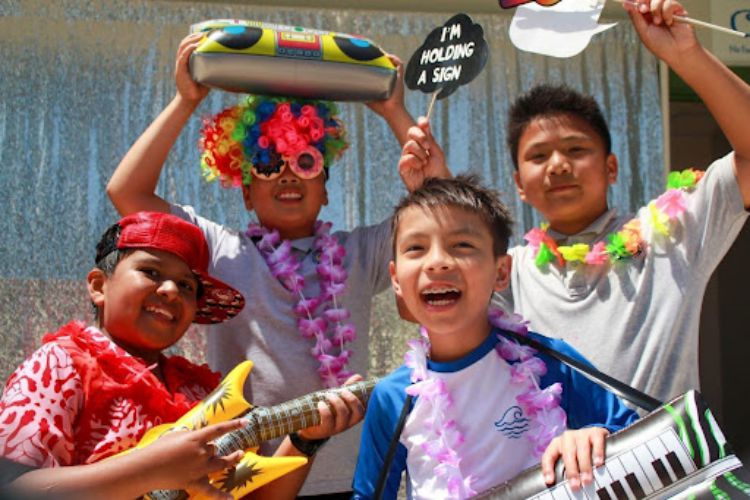 Pacific Academy integrates SEL into its curriculum, providing a strong foundation for future success.
3. Why Pacific Academy Costa Mesa Stands Out
Pacific Academy Costa Mesa brings together the essential elements that parents look for when choosing a preschool. Its combination of Project-Based Learning, a Trilingual Preschool program, small class sizes, and a strong focus on social-emotional development creates a well-balanced early education experience.
Recognized as one of the top private schools in Orange County, PACM demonstrates a commitment to academic excellence while nurturing well-rounded, confident learners.
4. Conclusion
Choosing the right preschool goes beyond convenience. A school that offers academic rigor, emotional support, and global exposure can positively shape a child’s educational journey.
Pacific Academy Costa Mesa provides a nurturing and immersive learning environment where children are encouraged to explore, grow, and thrive from their earliest years.
Families can contact Pacific Academy Costa Mesa by phone at 833-796-5688 or by email at CostaMesa@PacificAcademy.org for additional information. The address of the campus is 2987 Mesa Verde Dr. E, Costa Mesa, CA 92626.