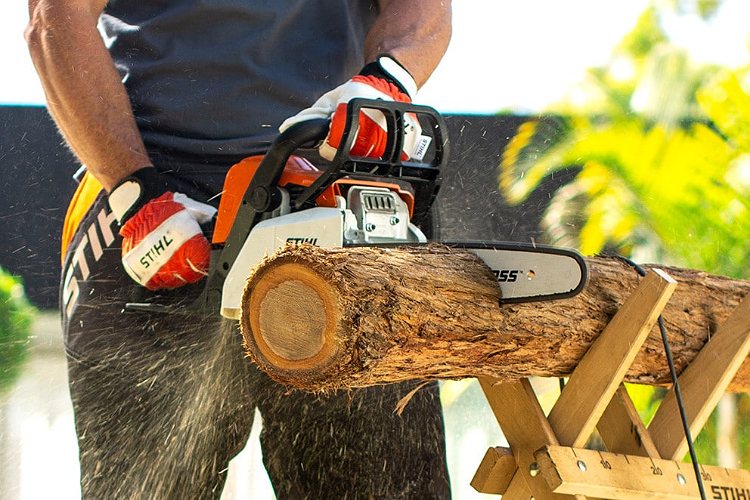
 As the leaves start to fall and gardens shift their cycles, there’s a sound that always tends to make a comeback: the unmistakable hum of a chainsaw. Whether you’re tidying up overgrown branches, cutting back bushes to prepare them for new growth come spring, or making firewood for the colder months, autumn is the time to put your chainsaw to work.
But after a long summer in the shed, many of us are doomed to discover that our chainsaw isn’t quite ready for action. Chains go dull, bars warp, sprockets wear out – all of which can make even a simple gardening job feel like hard labour.
So before you get cutting, it’s worth giving your machine a once-over. A few quick checks – and maybe chainsaw spare parts like a chain or bar – can make all the difference between smooth, efficient cutting and a frustrating (or even dangerous) day’s work.
Why Chainsaws Take a Beating in Autumn
Autumn brings the kind of jobs that put real strain on a chainsaw. Cutting through knotty branches, clearing windfall, and slicing logs for wood burners demand both power and precision – a combination that brings extra wear and tear.
Common culprits include:
- Cutting into the ground or debris – Even a split second of contact with soil, stones or grit can dull a chain instantly.
- Using the wrong chain – Chains designed for softwood or smaller saws struggle with those heavier-duty tasks you want done.
- Poor lubrication – Without enough oil, both the bar and chain heat up, leading to friction damage.
- Improper storage – Moisture, resin, and dirt left on the saw will corrode the metal parts over time.
If your saw’s been sitting idle since last winter, it’s almost guaranteed to need some attention before it’s ready to run at its best again.
The Most Common Chainsaw Parts That Wear or Break
Even the best-maintained chainsaws will need parts replaced every now and then. Knowing which components are most likely to wear helps you spot issues early and keep yours performing both safely and efficiently.
1. Chains
Chains take the brunt of the work – and the abuse. They stretch over time, lose sharpness, and can become dangerous if not properly tensioned. A dull chain doesn’t just slow cutting; it forces the motor to work harder and increases the risk of kickback and the associated dangers.
2. Guide Bars
The bar holds and guides the chain, but repeated friction and heat can cause it to wear unevenly. If you notice one side of the bar’s rail looking more rounded than the other, it’s time for a replacement.
3. Drive Sprockets
These small but critical parts transfer power from motor to chain. Over time, the sprocket teeth wear down (often at the same rate as your chain), so it’s a good plan to replace them together.
4. Air Filters
Sawdust, sap and fine debris can clog your filter quickly, especially during dry cutting. A blocked filter reduces airflow, making your engine run rich (too much fuel, not enough air) and lose power.
5. Spark Plugs
A worn or fouled spark plug can make your chainsaw difficult to start, misfire under load, or burn fuel inefficiently. Replacing it semi-regularly ensures smooth running and reliable ignition.
Avoiding Damage: Best Practice Tips
Don’t you worry – chainsaw maintenance doesn’t need to be complicated. A few simple habits go a long way toward preventing wear and extending your tool’s lifespan. Here are our top tips:
- Keep your chain sharp and properly tensioned – A sharp chain cuts faster, cleaner, and with less strain on the motor.
- Use the right oil and fuel mix – Follow your manufacturer’s recommendations to avoid damaging the engine or bar (yes, that means reading the manual).
- Clean after each use – Remove sawdust and sap from the chain, bar groove, and air filter before you pack it away.
- Flip your bar – Every few uses, turn your guide bar upside down to help it wear evenly.
- Store safely – Keep your chainsaw in a dry, ventilated place, and drain the fuel if you’re going to be storing it for a long time.
- Use proper protective gear – Gloves, chainsaw trousers, helmet and eye protection are must-haves for every job, big or small.
Ready for the Season Ahead
A well-maintained chainsaw can be a joy to use – efficient, powerful, and dependable. A neglected one, on the other hand, can be slow, frustrating, and unsafe.
This autumn, before you start tackling that pile of logs or pruning back old trees, take half an hour to inspect your saw. Replace what’s worn, sharpen what’s dull, and give it the care it deserves.
With the right parts and a little help from tools like the GHS Chainsaw Chain & Bar Finder, your chainsaw will be ready to take on whatever the season throws at it.