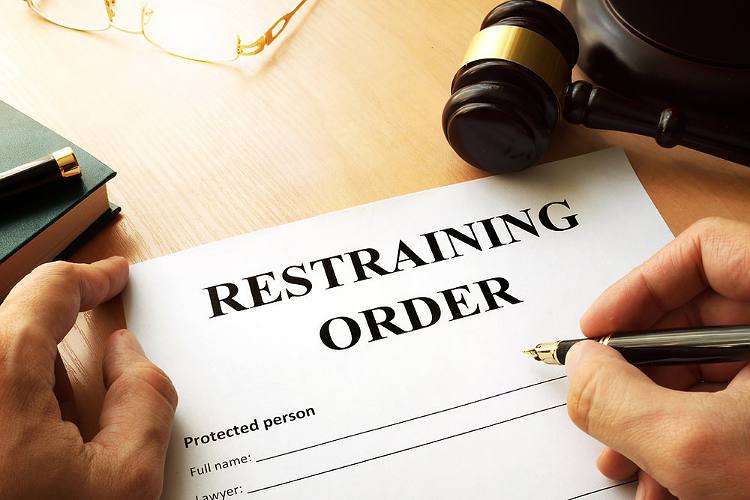
 Stop Abusive and Violent Environments’ Special Report on The Use and Abuse of Domestic Restraining Orders says that between 2 and 3 million temporary restraining orders are issued each year in the US. This is based on analyses of the whole court system that are often used in legal literature.
A restraining order comes to the rescue when violence threatens. It can shield you from potential harm or threat, so what proof do you need for a restraining order in California or in any state?
If you want to fully understand protective orders, you need more than a simple explanation, as how these orders work in real life depends on how they are filed, how long they last, and how they are enforced.
The article tells you everything you need to know about restraining orders, such as how to get one, what protections they offer, and what the legal consequences are for both petitioners and responders.
What Is a Restraining Order?
The restraining order functions as a legal document that protects individuals from harmful actions of others who have already shown dangerous behavior.
The restraining order provides clear distance requirements, which you must maintain from all individuals who have previously harmed you. On the document, it may states that
- the abuser from contacting you
- going near you, your home, workplace, or any place you go.
Restricted injunctions are important under the law to keep individuals safe so that survivors have a legal recourse for abuse, harassment, or threats.
If you believe you need one or currently have one against you, reach out to a restraining order attorney near you, who will help you fill out the forms and make sure you fully understand your rights, as well as your responsibilities.
Eligibility Requirements
In California, acquiring a protective injunction has several prerequisites, thus requiring substantial evidence sufficient to link through the necessity for protection.
A recognized type of relationship must exist between you and the restrained person. Common types of relationships that qualify are spouses, domestic partners, former spouses or domestic partners, persons currently in dating relationships, and persons who have a common child or any relatives related through blood or marriage by close degree.
You must prove that the person you’re demanding protection from has done some kind of bad thing to you. This involves instances of physical abuse, threats of violence, stalking, or unwanted communication.
You need to convince the court that you have a reasonable fear of future danger without the restraining orders. This proof could come from emails or pieces of advice promising future danger.
You have to show the court that all reasonable efforts have been made to solve any issues without the interference of the courts. This could include documentation of your attempts to settle the matter with the person in a non-confrontational manner, bearing in mind not to agree to anything that can put you in danger.
How to Obtain a Restraining Order
To get a restraining order, the alleged victim must file a petition in a court. Here is the way to get a restraining order.
- Collection of evidence is the starting point. Evidence of physical harm, such as pictures of scars, a long history of threats, witness statements, letters, texts, emails, or telephone recordings, should all be photocopied and kept as proof. You may also simply carry the evidence with you for later reference while filing the restraining order.
- You need to go to your local police station or courthouse to get the forms needed for your restraining order application. The forms require you to supply complete details about the person who needs protection and the incidents that involved harassment or abuse. The form completion process requires you to provide complete details about your situation.
- Upon completion of the application forms, the forms need to be forwarded to the appropriate authorities. The authorities will review the application, and they might request additional information if needed. You must strictly adhere to any instructions they give. Always provide any documents that the authorities ask for without delay.
- Once the application is approved, a temporary order shall be issued to you. You need to maintain possession of the restraining order at all times. You should first inform your trusted friends and family members and work colleagues about the restraining order, after which you can start your protective measures.
- You need to appear in court to complete the last step of your restraining order process. You will have the opportunity to explain why you need a restraining order and present the evidence. The judge will decide whether to grant you a permanent restraining order.
The best way to understand the process of your case is through consultation with an experienced attorney who will help you navigate the system, because attorneys provide the highest chance of obtaining relief from the court.
Types of Restraining Orders Available
Various restraining order examples exist to offer legal protection against harassment or abuse. Understanding the contrasts can help you decide what is best in a given situation.
-
Emergency protective order
This type of order is given by enforcement officers to bridge a gap of a few days to a week for victims of domestic violence and, in the meantime, provide direct protection. These orders are usually temporary, and there is a period of up to seven days in which applications for protective orders may be made.
-
Temporary restraining order
This kind of restraining is offered through the courts and is often given when there is a need for immediate protection. These are also temporary and valid for a brief period, from a short period to usually a few weeks. Depending on the reasons for their initial issuance, and especially in cases where harm is anticipated, temporary restraining orders can be extended significantly, provided that due process of law is followed.
-
Permanent restraining order
It is the most long-term option, and it is a judgment awarded by the court for several years or even indefinitely. Permanent restraining orders are usually used in situations of major harm or harassment.
Remember that requirements and procedures to get these types of orders may seriously vary from one jurisdiction to another. It is always advisable to get legal advice about what you need to do and what is available to you in the course of taking action.
Rights and Responsibilities Under a Restraining Order
A restraining order carries with it a set of responsibilities. It is important that you adhere to the terms and conditions set forth in the order. Said terms include avoiding contact with the abuser, but failure to do so violates the existing restraining order. Always bring a copy of the restraining order with you wherever you go; if required, give copies to employers or schools of affected children. In the unlikely circumstance that the order is broken, it is your duty to quickly notify the police. Write down all the dates, times, and details of each event or violation. Should you ever decide to go to court, this evidence will help improve your case.
How Long Does a Restraining Order Last?
The span of a restraining order depends on the specifics of the case and the rules in each area.
A temporary restraining order (TRO) enables immediate protective measures that last for approximately 10 to 14 days in certain situations. This enables the victim to find an enduring resolution. The court will arrange a hearing after the TRO is established to assess whether a permanent restraining order should be issued.
Permanent restraining orders have different length requirements based on various factors. Some jurisdictions establish a one-year duration for protective orders, which become eligible for renewal after this period. Other jurisdictions may issue permanent restraining orders without an expiration date, which means these orders will remain active forever.
A restraining order depends on both the situation’s seriousness and the abuser’s potential danger to the victim. If the victim still feels dangerous after the restraining order expires, they need to get extra legal protection that makes the restraining order last longer or look for other ways to stay safe.
Conclusion
Restraining orders can often provide necessary protection and much peace of mind in cases involving harassment or threats. Understanding the procedure for obtaining a restraining order and the types available allows us to guide individuals through the process of effectively safeguarding themselves from any danger. Such things include the rights and obligations of a holder of a restraining order and circumstances under which said orders come into effect.