 Your home’s electrical panel is one of the most important yet often overlooked components of your house. It acts as the central hub that distributes electricity to different areas, ensuring that everything from your lights to your appliances runs safely and efficiently.
For beginners, understanding how this system works can feel overwhelming, but gaining a basic understanding can help you prevent problems and make smarter decisions about maintenance and upgrades.
What Is an Electrical Panel?
An electrical panel, sometimes called a breaker box or distribution board, is where electricity from your utility provider enters your home. Inside the panel, power is divided into separate circuits that supply different rooms and appliances.
Each circuit is controlled by a circuit breaker. These breakers are designed to shut off power automatically if there is an overload or a short circuit. This safety feature helps prevent electrical fires and damage to your devices.
How Circuit Breakers Work
Circuit breakers are the heart of your electrical panel. Each breaker is responsible for a specific area or group of outlets in your home. For example, one breaker may control your kitchen outlets, while another handles your bedroom lighting.
When too much electricity flows through a circuit, the breaker trips and cuts off the power. This prevents overheating and reduces the risk of fire. Resetting a breaker is usually simple, but frequent tripping is a sign that something may be wrong and should be investigated.
Understanding the Layout of Your Panel
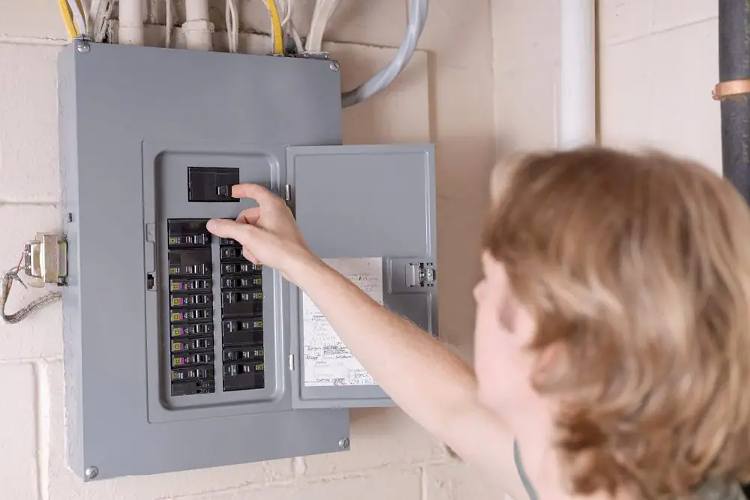
When you open your electrical panel, you will see rows of switches. These are your circuit breakers. Each one should ideally be labeled to indicate which part of your home it controls.
At the top of the panel, you will usually find the main breaker. This controls the power supply to your entire home. If you need to shut off all electricity, turning off the main breaker will do the job.
Taking time to familiarize yourself with the layout of your panel can save you time and stress during an emergency. Knowing which breaker controls which area allows you to quickly isolate problems.
Common Signs of Electrical Panel Issues
Even if your panel seems to be working fine, there may be underlying issues that need attention. Some common warning signs include:
- Frequent breaker trips
- Flickering or dimming lights
- Burning smells near the panel
- Warm or discolored breakers
- Buzzing or crackling sounds
These signs often indicate that your panel is struggling to handle your home’s electrical demand. Ignoring them can lead to more serious problems over time.
Why Modern Homes Need Panel Upgrades
As technology continues to evolve, modern homes use more electricity than ever before. From large appliances to smart home devices, the demand on your electrical system keeps increasing.
Older panels may not be designed to handle this level of usage. This can result in overloaded circuits and reduced efficiency. In some cases, outdated panels can even become safety hazards.
If you are experiencing ongoing electrical issues or planning to add new appliances, it may be time to consider an upgrade. Working with a professional for an electrical panel upgrade in st louis can ensure your system is equipped to meet modern demands safely and efficiently.
Safety Tips for Homeowners
While it is helpful to understand your electrical panel, safety should always come first. Here are a few basic tips to keep in mind:
- Never touch exposed wires or attempt complex repairs yourself
- Always turn off the main breaker before inspecting the panel
- Keep the area around your panel clean and dry
- Avoid overloading circuits with too many devices
If you are unsure about anything, it is always best to consult a licensed electrician. Electrical systems can be dangerous if handled incorrectly, so professional help is essential for more complex issues.
The Role of Regular Inspections
Regular inspections play a key role in maintaining your electrical panel. A professional electrician can check for worn components, loose connections, and other potential problems.
These inspections help catch issues early, preventing costly repairs and reducing the risk of emergencies. They also ensure your system remains compliant with current safety standards.
Final Thoughts
Understanding your home’s electrical panel does not require technical expertise, but it does require awareness. By learning the basics, you can better recognize warning signs, respond to issues quickly, and make informed decisions about your home’s electrical system.
Your panel is the backbone of your home’s electricity. Taking the time to understand how it works and when to seek professional help can go a long way in keeping your home safe, efficient, and prepared for the future.