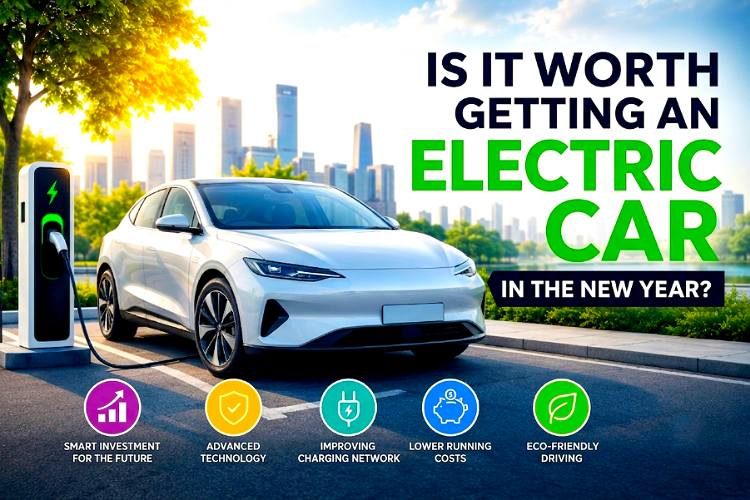
 Yes, an electric car can be worth it in 2026, especially if you can charge at home and drive regularly. For many drivers, electric vehicles (EVs) now offer lower running costs, simpler maintenance, and a more convenient daily routine.
Introduction
Electric cars have moved from niche to normal. More drivers are now comparing them with petrol and hybrid options. The big question is no longer whether EVs work. The real question is whether they fit your life, budget, and driving habits.
This guide breaks down the pros, cons, and real-world costs. It also helps you decide whether buying an EV in 2026 makes financial sense.
Are Electric Cars Worth It in 2026?
For many people, yes, they are worth it. EVs are especially appealing if you drive a lot, own a home, or have reliable charging access. They can be cheaper to run than fuel-powered cars over time.
But they are not perfect for everyone. The upfront price can still be high. Charging away from home can also be costly and less convenient. So the value depends on how and where you drive.
Main Benefits
One of the biggest advantages is lower running cost. Electricity often costs less than petrol or diesel per mile. That can add up fast for daily commuters.
Another benefit is simpler maintenance. EVs have fewer moving parts than traditional cars. That usually means fewer oil changes, fewer engine issues, and less routine servicing.
Driving comfort is another plus. EVs are quiet, smooth, and responsive. Many drivers also enjoy the instant acceleration.
There is also a climate benefit. EVs produce no tailpipe emissions while driving. That makes them a cleaner choice for city use and short trips.
Main Drawbacks
The biggest issue is still purchase price. Many EVs cost more upfront than similar petrol cars. Even with savings later, the first payment can feel steep.
Charging can also be a problem. If you cannot charge at home, public charging may be less convenient. It can also cost more than expected.
Range anxiety remains real for some drivers. While modern EVs go far enough for most daily use, long trips still need planning. Cold weather, fast driving, and heavy loads can reduce range.
Battery replacement fear is common too. However, most modern EV batteries are built to last many years. Battery health matters, but failure is not as common as many people think.
Real Cost Breakdown
The true cost of an EV goes beyond the sticker price. You should look at five main areas.
-
Purchase price.
-
Charging cost.
-
Insurance.
-
Maintenance.
-
Depreciation.
Home charging is usually the cheapest way to own an EV. Public fast charging is faster, but often more expensive. Insurance can also be higher for some EV models.
Installation of a home charger may add another cost. That said, many owners recover those costs through lower fuel and maintenance bills.
Who Should Buy One?
An EV makes the most sense for people with a driveway, garage, or private charging access. It also works well for commuters who drive predictable routes. If you keep cars for many years, the long-term savings can be stronger.
It may be less ideal if you live in an apartment without charging access. It may also be harder to justify if you drive very little. In those cases, a hybrid may offer a better balance.
Is It Cheaper Than Petrol?
In many cases, yes, but not always right away. The running cost of an EV is often lower than a petrol car. That includes energy, servicing, and some wear items.
However, the savings depend on your charging habits. Home charging can make EV ownership much cheaper. Public charging can narrow the gap quickly.
So the answer is simple. EVs can save money, but only if your setup supports them. The more you drive, the stronger the case becomes.
Best Time To Buy
2026 is a good time to compare options carefully. More models are available now. Charging networks are also growing in many regions.
At the same time, prices still vary a lot by brand and battery size. Incentives may change too. So it pays to compare total ownership cost, not just monthly payments.
A good rule is to think long term. If you plan to keep the car for several years, the math can improve. If you change cars often, the advantage may be smaller.
Buying Tips
Before buying, check these points.
-
Your daily driving distance.
-
Home charging access.
-
Public charging options nearby.
-
Battery warranty length.
-
Insurance quotes.
-
Total cost over five years.
You should also test the car in real conditions. Try the seats, trunk, controls, and charging setup. A short drive can reveal things a spec sheet cannot.
FAQ
Are electric cars worth buying in 2026?
Yes, for many drivers they are worth it. The best fit is someone who can charge at home and drive regularly.
Do EVs save money?
Usually yes, especially with home charging. They can cost less to fuel and maintain over time.
What is the biggest downside of an EV?
The biggest downside is often the upfront cost. Charging access and trip planning can also be issues.
How long do EV batteries last?
Most modern EV batteries are designed to last for many years. Battery health depends on use, climate, and charging habits.
Is an EV a good choice for long trips?
Yes, but it takes more planning than a petrol car. Route planning and charging stops matter more.
Conclusion
An electric car can be a smart buy in 2026. It is especially strong for commuters, home chargers, and long-term owners. But it is not the right choice for every driver.
If you want lower running costs and cleaner driving, EVs are attractive. If you need maximum flexibility and easy refueling, a petrol or hybrid car may still fit better.