 Houses are good at hiding trouble until they’re not.
A gutter sags a little. A loose section of roofing looks minor from the driveway. Water starts spilling slightly wider in heavy rain, though only enough to feel annoying rather than urgent. These are the kinds of issues homeowners often push down the list because nothing appears dramatic yet. Fair enough. Most property problems don’t begin with drama. They begin with small signs people hope will stay small on their own.
That’s usually where businesses like A.I Gutter & Roofing come into the picture. Not because every exterior issue is a crisis, but because roofline and drainage problems have a habit of spreading quietly. Once water starts moving where it shouldn’t, the damage rarely stays neatly confined to the original weak point.
Because the outside of a house does more than shape curb appeal. It carries a huge part of the load when weather turns rough, drainage gets tested, and minor wear starts interacting with time.
Water Has a Talent for Turning Minor Faults Into Bigger Ones
A lot of exterior issues become expensive for one reason above all; water is patient.
It keeps finding the weakness. A blocked or damaged gutter may not look especially threatening in dry weather, though the next heavy rain puts it straight back to work. Overflow starts affecting fascia. Water runs where it shouldn’t. Moisture sits longer than materials were designed to tolerate. Timber, paint, joints and edges start paying the price.
That’s part of what makes exterior maintenance so easy to underestimate. The first visible sign may look cosmetic. The real problem may already be structural, or at least heading that way. By the time staining, swelling, cracking or internal damp become obvious, the original issue has often had more time to develop than anyone realised.
And the house does not particularly care whether the homeowner meant to get around to it next month.
Exterior Wear Often Looks Harmless Until Conditions Change
This is what catches people out.
A roofline can look broadly fine from the ground while still carrying weak points that only reveal themselves under pressure. Wind, storms, leaf buildup, repeated wet weather and seasonal expansion can all turn a manageable issue into something far more disruptive. The problem was already there. The conditions simply exposed it more clearly.
That’s why small exterior faults should not be judged only by how they look on a calm day. A loose section, poor drainage point or rusting component may seem minor while the weather is cooperative. Once the conditions change, that same issue can start causing overflow, movement or damage with surprising speed.
And because these faults sit outside, people often assume they’re less urgent than interior problems. In reality, many interior problems begin outside and only become visible indoors once the damage is already well underway.
Delaying Small Repairs Usually Creates Messier Choices Later
Homeowners are not wrong to prioritise. Not everything needs urgent work.
The trouble is that guttering and roofing faults often don’t stay politely in the “small repair” category for very long. Delay can turn a tidy fix into a broader job involving water damage, timber deterioration, mould risk, repainting or replacement of materials that were never the original problem. The cost rises, yes. The disruption usually does too.
There’s also the practical strain of reactive timing. Exterior issues have a habit of escalating during the least convenient weather, the busiest week, or the exact moment trades are harder to book quickly. A problem dealt with early is usually simpler than one handled after the next storm has already made the point.
That does not mean every drip or gutter noise deserves panic. It means small exterior problems are worth respecting for what they often become if ignored.
The House Usually Gives a Head Start Before It Demands One
That’s the useful part in all this.
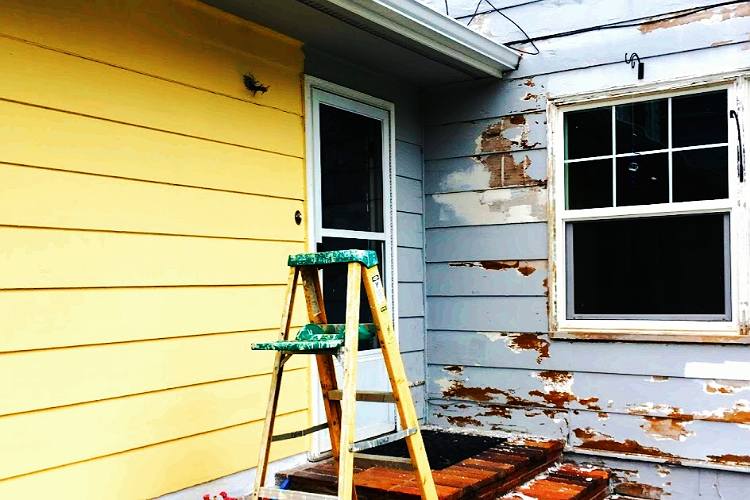
Exterior problems often send signals before they become invasive. Overflow in rain. Rust. Sagging. Staining. Sections pulling away. Damp smells. Peeling paint. They may not be dramatic, though they are often the house offering a head start before the issue turns into something much more annoying.
Why small exterior problems rarely stay small for long comes down to how exposed and interconnected the roofline really is. Gutters, roofing and drainage do not fail in isolation for very long. Once one part weakens, nearby materials start getting dragged into the consequences.
A house rarely asks for urgent help without giving smaller warnings first. The mistake is assuming those warnings are merely cosmetic because they arrived quietly.