 Vein disorders such as varicose veins and spider veins can affect both health and appearance. Modern medicine offers effective, minimally invasive solutions, and one of the most popular options is foam sclerotherapy. If you are considering foam sclerotherapy in Dubai, it is important to understand how the procedure works, its benefits, and why Dubai is a preferred destination for this treatment.
What Is Foam Sclerotherapy
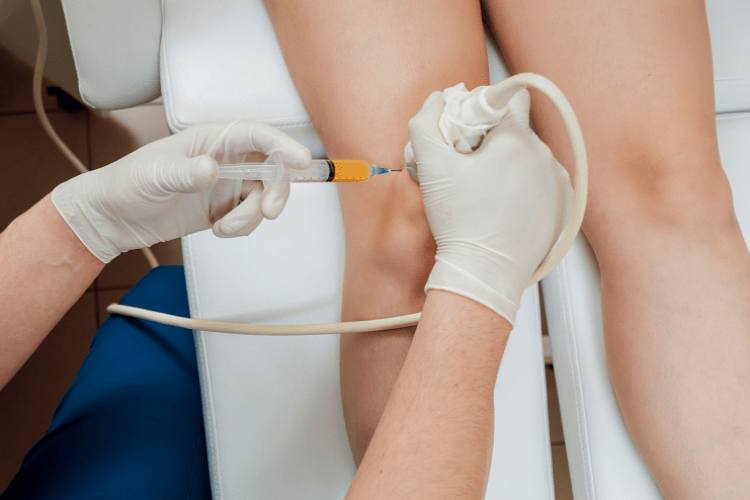
Foam sclerotherapy is an advanced variation of traditional sclerotherapy. Instead of a liquid solution, a specially prepared foam is injected into the affected vein.
The foam:
- displaces blood inside the vein
- improves contact with the vein walls
- increases the effectiveness of the treatment
This makes it particularly suitable for treating larger varicose veins.
How the Procedure Works
The procedure is typically performed in an outpatient setting and does not require general anesthesia.
Steps usually include:
- Ultrasound guidance to locate the vein
- Injection of the foam solution
- Compression of the treated area
- Post-procedure monitoring
Most sessions take less than an hour, and patients can return to normal activities shortly after.
Benefits of Foam Sclerotherapy
Foam sclerotherapy offers several advantages over traditional methods:
- higher effectiveness for larger veins
- minimally invasive approach
- quick recovery time
- reduced need for surgery
- improved cosmetic results
Why Choose Dubai for Treatment
Dubai has become a leading destination for advanced vascular procedures due to:
- state-of-the-art medical facilities
- internationally trained specialists
- advanced diagnostic technologies
- high standards of patient safety
Patients benefit from a combination of medical expertise and modern healthcare infrastructure.
Who Is a Good Candidate
Foam sclerotherapy is suitable for patients who:
- have varicose veins or recurrent vein issues
- want a non-surgical treatment option
- are looking for effective cosmetic improvement
A consultation with a specialist is necessary to determine the best treatment plan.
Aftercare and Recovery
After the procedure, patients are usually advised to:
- wear compression stockings
- stay physically active (walking is recommended)
- avoid prolonged sitting or standing
- follow the doctor’s recommendations
Proper aftercare ensures better results and reduces the risk of recurrence.