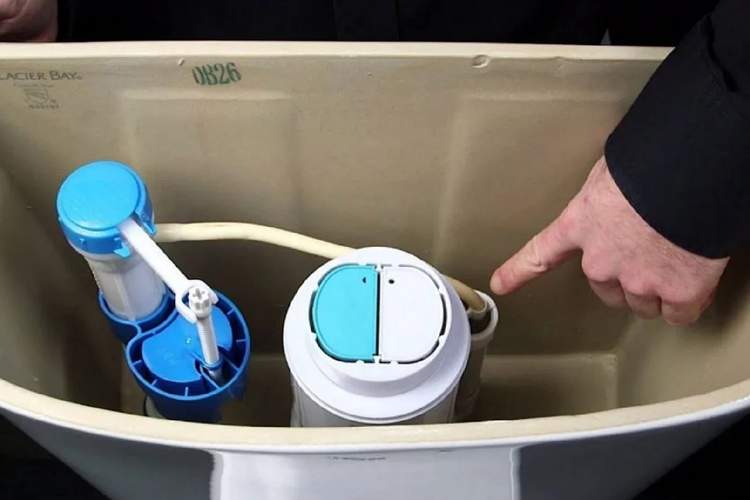
 A toilet flush is one of those everyday mechanisms we rarely think about – until it stops working. Suddenly, the bathroom becomes a real pain in the butt: endless running water, half-strength flushes, handles with no resistance… and the creeping panic of “Do I need a new toilet?”
Not necessarily (phew).
In most cases, flush issues come down to a few small but critical components inside the cistern. The good news? These parts are usually easy to replace and far cheaper (and less of an ordeal) than fitting a brand-new toilet.
Below, we break down the most common flushing problems, what causes them, and how to fix them like a pro, without calling in a pro.
1. The “Weak Flush” Problem
If your flush sounds like it’s trying but not quite succeeding, the issue is usually one of the following:
- Partially blocked flush valve
- Worn or perished seal
- Low water level in the toilet cistern
- Mineral build-up restricting flow
To check what it is, run a quick test. Lift the cistern lid, flush, and watch whether the valve opens fully. If not, the mechanism may need adjusting or swapping out.
Here’s how to fix it:
- Clean the limescale buildup
- Check water level and adjust the float if it’s too low
- Replace the flush valve or cistern inlet valve if worn
Replacement valves are inexpensive and usually the quickest way to restore a strong (and at this point, deeply satisfying) flush.
2. Toilet Keeps Running After Flushing
The constant trickling sound is more than irritating – it wastes your water and adds to utility bills. The usual suspect is a faulty or misaligned flush valve seal, meaning the cistern never fully shuts off.
Here are some of the signs it’s your seal or valve that needs replacing:
- Water continuously runs into the toilet bowl
- The cistern refills constantly, even when not in use
- You need to jiggle the flush button or handle to stop the flow
Fortunately, a new flush mechanism or seal ring typically stops the leak instantly. Many modern valves come with upgraded seals for greater longevity, making this an easy DIY upgrade with immediate benefits.
3. You Press the Button… and Nothing Happens
If you push the flush button and nothing responds, don’t panic – this one is often easier to fix than it feels. In many cases, the connection between the button and the valve has simply come loose or shifted out of place. Sometimes the internal mechanism snaps, or the valve just needs a little more lift than it’s currently getting.
Luckily, button systems can be replaced on their own, or you can upgrade the button and flush valve together for a more reliable, smoother flush every time.
Pro tip: Dual-flush buttons often fail unevenly, so if one button works but the other doesn’t, the fault usually lies with the button itself.
4. Toilet Takes Forever to Refill
If your toilet seems to take an age to refill, the issue is usually linked to the fill valve, though a flush valve that isn’t sealing properly can contribute, too. What this looks like is water leaking back into the bowl while the tank is refilling. Normally, it can’t reach full volume, and there’s a while to be able to flush again, and when it does, it’s lacklustre at best.
You might also notice weaker flushes even when you press fully, small amounts of water moving into the bowl between uses, or the occasional eerie “ghost flush.”
If these suspicious symptoms are part of your bathroom experience, start by checking for limescale or debris inside the valve, as a clean-out can make a big difference. If the washer is worn, replace it; and if you’re still having problems, installing a new flush valve kit is often the most efficient fix. Modern valves refill faster, seal more tightly, and tend to reduce overall water usage – a win for both convenience and efficiency.
5. Double Flush Required Every Time
Needing two flushes to finish the job is frustrating, but it’s usually a sign of one of three things: the flush volume is set too low, the valve is sticking, or the seal is worn and shutting off the flush too early. In most cases, a quick adjustment to your flush volume or upgrading to a dual-flush valve is all it takes to restore proper function.
A dual-flush system also gives you greater control over water output, helping you conserve water without sacrificing the hearty flush that gets the job done.
Note: Of course, if you’re simply using too much toilet paper or not flushing between every use, you may need to dial it back a little on that paper in order to flush properly.
When You Should Replace the Flush Valve
Sometimes, repair after repair becomes more hassle than help, which is when replacing the entire flush valve becomes the smarter long-term move. If your flush keeps sticking or feels incomplete, repeated internal wear may be the cause. When rubber seals start to crack, crumble, or warp, quick fixes won’t last very long.
You might also consider a replacement if you want better water efficiency, since modern valves are designed to use less water supply while delivering a stronger flush. And if your button mechanism keeps failing, replacing the full valve-and-button kit ensures compatibility and stable performance. A new flush valve offers smoother operation, tighter sealing, and reliable performance – especially in a busy home where the toilet is in near constant use.
A Little Maintenance Goes a Long Way
A poorly performing flush usually isn’t a sign of toilet failure – just a part past its prime. And replacing valves, seals, buttons, and fittings can transform your toilet’s performance without a plumber, without stress, and without a hefty price tag.
A 10-minute fix could save you hundreds.
Not a bad return for a job most people overlook.