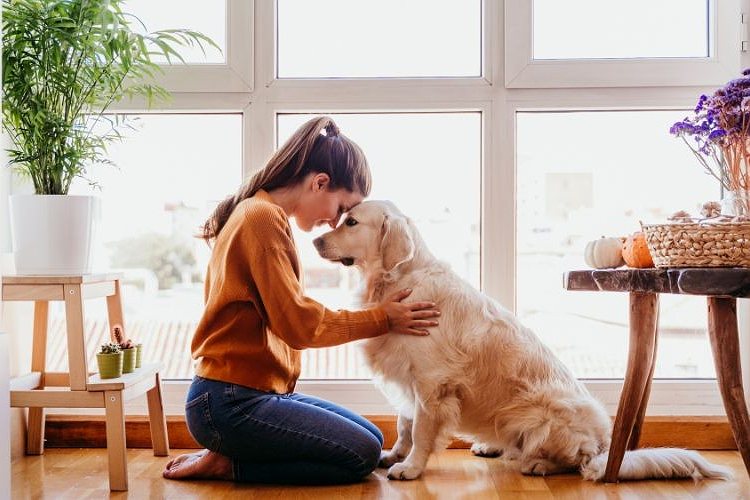
 Bringing a dog into your home is a joyful decision, and the best outcomes come from thoughtful planning. Every dog needs a predictable mix of movement, mental stimulation, social time, grooming, health care, and rest. Your daily rhythm should support those needs in a way that feels sustainable. This guide walks you through the core areas to consider so you can match your home life with a dog’s daily routine and create a comfortable, well-balanced environment for both of you.
Understanding Your Schedule and Energy Budget
Before you look at breeds or ages, map out a typical day. Dogs thrive on structure. Most adult dogs do well with two to three walks, a block of active play, and several shorter engagement moments like training refreshers or puzzle toys. Puppies and high-drive breeds will need more frequent bathroom breaks, more training, and a longer exercise window. Seniors may prefer shorter, gentler outings with more naps and calm companionship.
Start with your non-negotiables. If your commute is long, or you have back-to-back meetings, you may need dog walkers, doggy day care, or a neighbor who can help at mid-day. If you work from home, think through how you will schedule movement breaks for your dog and unplug long enough for a focused walk. Clarifying your daily energy budget helps you choose a dog whose needs fit your reality, which prevents frustration and promotes a stable routine.
Space, Safety, and Enrichment at Home
Homes do not need to be large to be dog friendly, but they do need to be intentional. Create defined areas for rest, play, and eating. A crate or covered bed can be a restful retreat. Non-slip rugs help with traction, especially for puppies and seniors. Secure trash cans and remove access to cords, houseplants that may be toxic, or foods like grapes and onions that are unsafe for dogs.
Enrichment builds a calmer dog. Rotate durable chew toys to keep novelty high. Use slow feeders or snuffle mats to turn mealtime into a brain workout. Stuffed food toys can occupy a dog while you take a call. If you have a yard, think of it as a supplement rather than a replacement for walks. Neighborhood walks add scent exploration, which lowers stress and supports emotional balance. In apartments, stairwells and hallways are not ideal exercise spaces, so plan for outdoor time and indoor play that is quiet and safe, like tug, hide-and-seek, or short training games.
Exercise and Mental Stimulation That Fit Your Lifestyle
Exercise needs vary a lot. A young herding mix may require 60 to 90 minutes of physical activity plus training games each day. A toy breed adult might be satisfied with shorter, frequent walks and a couple of lively play sessions. Seniors often benefit from gentle, regular movement to maintain joint health and a healthy weight.
Match activity types to your interests. If you like running, consider a dog that enjoys steady jogs once mature. If you prefer leisurely walks and yard games, pick a companion who likes moderate play. For mental work, teach practical skills like loose-leash walking, settle on a mat, and recall. Sprinkle in scent-based games: scatter a few treats in the grass, play “find it” with a favorite toy, or introduce a beginner puzzle feeder. Short, fun sessions keep learning positive and reduce nuisance behaviors born from boredom.
Grooming, Health Care, and Home Maintenance
Daily needs include basic hygiene. Brush coats as recommended for your dog’s hair type, check ears weekly, and trim nails before they overgrow. Long-coated and double-coated dogs shed in seasons and benefit from regular de-shedding. Short-coated dogs still shed and need routine brushing and skin checks. Bathing schedules depend on activity levels and coat type. When in doubt, consult your veterinarian or a professional groomer.
If your schedule is packed or your dog’s coat is high maintenance, working with dog groomers in Cary, NC or your area can keep grooming consistent and low stress. At home, keep a simple kit ready: a slicker or pin brush matched to the coat type, nail clippers or a grinder, styptic powder, dog-safe shampoo, ear cleaner, and a soft toothbrush with canine toothpaste. Build positive associations by pairing grooming with calm praise and small treats. This turns care into a cooperative routine instead of a chore.
Routine veterinary care is also part of daily planning. Budget time and finances for annual exams, vaccinations recommended by your vet, parasite prevention, and dental care. Keep a calendar for medications and heartworm prevention. For senior dogs, plan for more frequent checkups and joint support. A small daily habit like wiping paws after walks can prevent skin irritation and keep floors clean.
Social Time, Training, and Emotional Wellbeing
Dogs are social animals who need companionship and clear guidance. Set aside pockets of quality time each day when you are fully present. That might be a relaxed cuddle on the couch, a ten-minute training session, or a focused play game. These moments strengthen communication and help your dog understand what is expected at home and on walks.
Training is not a one-time course. Keep practicing core cues like sit, down, stay, leave it, and come. Use positive reinforcement to mark the behavior you want, then reward with food, toys, or real-life rewards like opening a door to go outside. Consistency prevents confusion and reduces stress. If your household includes children or roommates, align on rules such as where the dog can rest, feeding routines, and how to greet politely. Predictable patterns help sensitive dogs feel secure, which reduces problem behaviors like barking, pacing, or destruction.
For dogs that struggle with alone time, introduce gradual independence. Practice short departures, offer a safe chew, and avoid big emotional scenes when leaving or returning. If your dog is anxious, consult a qualified trainer or behavior professional who uses humane, science-backed methods. Emotional wellbeing is as important as physical exercise, and a calm, confident dog adapts more smoothly to busy home life.
Planning for Transitions, Travel, and Life Changes
Life is dynamic. Travel plans, new jobs, moves, or welcoming a baby all change your dog’s routine. Build flexibility now by teaching portable habits. Crate training or mat training gives your dog a familiar “home base” that can move with you. Get comfortable with pet sitters, reputable boarding, or trusted friends so you have coverage when needed. Keep an updated file with veterinary records, microchip info, medication lists, and feeding instructions for anyone who cares for your dog in your absence.
Seasonal adjustments also matter. Hot days call for early morning or evening walks and careful hydration. Cold or icy weather may require paw balm, booties, or shorter outings paired with indoor enrichment. As dogs age, modify flooring for traction, add ramps, and incorporate joint-friendly activities like scent work or gentle walks on even ground. Planning for these shifts protects your dog’s comfort and keeps your routine realistic.
Conclusion
Matching your home life with a dog’s daily needs comes down to honest assessment and steady habits. Structure your schedule to include movement, mental work, social time, and rest. Set up your space for safety and enrichment. Keep grooming and health care on a predictable cadence, and use positive training to guide behavior. Prepare for changes with portable skills and reliable support. When your routine aligns with your dog’s needs, you create a harmonious household where both of you can thrive.